













1
Overview
Advance Your Expertise. Maintain Your Credentials. Lead the Future of Your Profession.

A structured, ongoing process through which professionals maintain, improve, and expand their knowledge, skills, and competencies to stay current with industry practices, technologies, and leadership demands.
Build and strengthen competencies across key professional areas.

Procurement, supply chain, logistics, tourism, and operations.
Learn More →
AI, automation, analytics, blockchain, and digital transformation.
Learn More →
Strategy, people, projects, performance, and organizational change.
Learn More →
Ethical practices, compliance, transparency, and accountability.
Learn More →
Sustainable operations, risk management, and business continuity.
Learn More →
Applied research, publications, mentoring, and industry insights.
Learn More →Choose the learning option that fits your schedule and goals.



Maintain your professional credential through continuous learning.
| Certification Validity | Generally valid for 3 years. |
| Recommended CPD | 30–40 hours per certification cycle (≈ 10–15 hours per year). |
| Qualifying Activities | Training, seminars, webinars, conferences, research, teaching, and applied projects. |
| Documentation | Maintain a CPD log with evidence (certificates, attendance, etc.). |
| Renewal Process | Submit a renewal application with required CPD documentation and applicable fees. |
Continuing education for today's and tomorrow's industry leaders.
A comprehensive library to support your professional growth.
The complete text, in one place. Swipe sideways or use the arrows to browse each section.
Professional Excellence Is a Lifelong Commitment.
At the American Association of Procurement, Supply Chain & Tourism Management (AAPSCM®), we believe professional development extends beyond earning a certification. It is an ongoing commitment to strengthening professional competence, maintaining industry relevance, developing leadership capabilities, and adapting to technological and organizational change.
Our Continuing Professional Development (CPD) programs provide professionals, managers, executives, educators, and organizational leaders with structured opportunities to expand their knowledge, develop specialized competencies, and maintain professional credentials.
Through professional certification programs, executive education, virtual instructor-led training, self-paced courses, workshops, industry research, professional publications, and collaborative learning opportunities, AAPSCM® supports lifelong learning across procurement, supply chain management, logistics, artificial intelligence, e-commerce, tourism, hospitality, and related disciplines.
Whether you are beginning your professional career, preparing for advancement, transitioning into management, or maintaining an existing certification, our CPD resources help you develop the skills needed to remain effective in an evolving global economy.
Your Career Does Not Stop at Certification. Your Professional Growth Continues with AAPSCM®.
Explore Professional Development Programs | Become an AAPSCM® Member | Explore Executive Education
Continuing Professional Development refers to the systematic process through which professionals maintain, improve, and expand their knowledge, technical skills, managerial capabilities, and professional competencies throughout their careers.
CPD includes formal education, structured training, professional research, practical workplace learning, industry participation, and other documented activities that contribute to professional growth.
At AAPSCM®, CPD is designed to support three essential objectives:
Keep professional knowledge current with evolving industry practices, regulatory developments, operational requirements, and technological advancements.
Acquire competencies in emerging disciplines such as artificial intelligence, predictive analytics, procurement automation, cybersecurity, sustainable supply chains, digital transformation, and global commerce.
Maintain documented evidence of professional learning, support certification renewal, and demonstrate an ongoing commitment to professional excellence.
CPD is not simply about completing training hours. It is about demonstrating meaningful professional learning and the ability to apply new knowledge effectively.
The global business environment is changing rapidly. Organizations increasingly depend on professionals who can integrate technical expertise with strategic thinking, digital capabilities, responsible decision-making, and leadership.
AAPSCM® encourages continuing professional development to help professionals respond to these changes.
Develop deeper expertise in procurement, sourcing, logistics, inventory management, contract management, supply chain operations, tourism, and related disciplines.
Demonstrate an ongoing commitment to professional improvement, specialized knowledge, and career development.
Understand how AI, machine learning, automation, predictive analytics, blockchain, and digital platforms are reshaping professional responsibilities.
Develop capabilities in strategic planning, risk management, organizational leadership, stakeholder engagement, performance management, and change management.
Complete relevant professional development activities and maintain appropriate records to support certification renewal.
Participate in conferences, workshops, professional associations, and collaborative learning opportunities with professionals from different industries and regions.
Stay informed about ethical procurement, responsible AI, environmental sustainability, governance, regulatory compliance, and professional accountability.
Apply new knowledge to improve operational efficiency, supplier relationships, cost management, customer experiences, innovation, and organizational resilience.
AAPSCM® organizes its professional development approach around six interconnected competency areas.
Develop and maintain specialized knowledge directly related to your professional responsibilities.
Key development areas:
Expected outcome: Improved technical competence and stronger performance in specialized professional roles.
Build the digital competencies necessary to operate effectively in technology-enabled organizations.
Key development areas:
Expected outcome: Greater ability to evaluate, adopt, and responsibly apply emerging technologies.
Strengthen the ability to manage people, resources, projects, and organizational priorities.
Key development areas:
Expected outcome: Improved leadership effectiveness and strategic decision-making.
Develop knowledge and judgment that support transparent, accountable, and responsible professional conduct.
Key development areas:
Expected outcome: Stronger ethical judgment and improved governance awareness.
Prepare professionals to address environmental, operational, commercial, and geopolitical challenges.
Key development areas:
Expected outcome: Improved ability to identify risks, manage disruptions, and support sustainable organizational performance.
Encourage professionals to contribute to the development and dissemination of industry knowledge.
Key development areas:
Expected outcome: Greater contribution to professional knowledge, innovation, and continuous improvement.
AAPSCM® encourages certification holders to maintain current professional knowledge through relevant continuing professional development activities.
AAPSCM® professional certifications generally have a validity period of three years, subject to the requirements of the specific certification program.
The following framework provides a recommended CPD planning structure for certification holders.
| Requirement | Recommended Standard |
| Certification cycle | 3 years |
| CPD target | 30–40 documented hours per certification cycle |
| Suggested annual learning target | Approximately 10–15 hours |
| Learning activities | Formal and relevant informal professional development |
| Documentation | Certificates, attendance records, learning logs, or other acceptable evidence |
| Renewal | Subject to applicable certification-specific requirements |
| Verification | AAPSCM® may request supporting documentation |
Important: These are general CPD planning guidelines. The requirements published for an individual certification take precedence. Candidates should confirm applicable renewal requirements before submitting documentation.
A qualifying activity should contribute directly to professional knowledge, competence, or practice.
Examples include:
Routine work duties, promotional events, and unrelated activities should not automatically be counted as CPD.
CPD hours should reflect the actual time spent participating in relevant educational or professional development activities.
For planning purposes, one CPD hour generally represents approximately 60 minutes of qualifying learning activity.
Examples:
| Professional Development Activity | Illustrative CPD Hours |
| One-hour professional webinar | 1 |
| Two-hour technical workshop | 2 |
| Four-hour educational seminar | 4 |
| Eight-hour structured training course | 8 |
| Sixteen-hour professional development course | 16 |
| Twenty-hour structured learning program | 20 |
These examples illustrate time-based calculation only. Recognition of an activity and its allowable hours remains subject to the applicable AAPSCM® certification requirements.
Some professional development activities may require supporting information before hours can be recognized, including:
Candidates should retain records showing the activity's purpose, duration, relevance, and learning outcomes.
AAPSCM® provides learning and certification pathways across multiple professional disciplines.
Develop expertise in purchasing, strategic sourcing, contract management, procurement leadership, supplier performance, procurement risk, and responsible sourcing.
Featured learning areas:
Ideal for: Procurement professionals, buyers, sourcing managers, contract administrators, purchasing officers, and procurement executives.
Explore Procurement Certifications
Strengthen capabilities in integrated supply chain operations, demand planning, inventory management, transportation, distribution, warehouse operations, and business continuity.
Featured learning areas:
Ideal for: Supply chain analysts, logistics professionals, warehouse managers, operations managers, and supply chain executives.
Explore Supply Chain Certifications
Build expertise in technologies transforming procurement, supply chains, logistics, and enterprise operations.
Featured learning areas:
Ideal for: Technology professionals, business analysts, procurement managers, supply chain leaders, digital transformation specialists, and executives.
Explore AI Certification Programs
Develop capabilities in digital commerce strategy, customer analytics, international e-commerce operations, digital merchandising, and ethical online business practices.
Featured learning areas:
Ideal for: E-commerce professionals, entrepreneurs, digital marketing specialists, retail managers, and digital business leaders.
Explore All Certification Programs
Develop specialized knowledge in tourism operations, hospitality management, destination management, customer experience, sustainable tourism, and industry leadership.
Featured learning areas:
Ideal for: Tourism professionals, hospitality managers, destination management specialists, entrepreneurs, and tourism executives.
Explore Tourism Certifications
Strengthen professional knowledge of international transportation, cargo operations, maritime logistics, aviation logistics, regulatory considerations, and global trade connectivity.
Featured learning areas:
Ideal for: Maritime professionals, aviation logistics specialists, freight coordinators, transportation managers, and international trade professionals.
Explore Professional Certifications
AAPSCM® executive education programs support managers, directors, senior professionals, and organizational leaders seeking advanced knowledge in strategic leadership and transformation.
Featured learning areas:
Ideal for: Department heads, senior managers, executives, consultants, and organizational decision-makers.
Explore Executive Diploma Programs
AAPSCM® recognizes that professionals have different schedules, learning preferences, career objectives, and organizational responsibilities.
Our professional development pathways are designed to support flexible access to learning.
Learn at Your Own Pace. Build Skills on Your Schedule.
Self-paced learning provides professionals with the flexibility to study independently using available course materials, study guides, practice questions, and digital learning resources.
Key benefits:
Self-paced certification candidates complete the applicable certification examination. A capstone assessment is not a substitute for the examination in the self-paced pathway.
Learn from Industry Professionals Without Leaving Your Workplace.
Virtual instructor-led programs provide structured learning sessions facilitated by instructors through online learning platforms.
Depending on the program, participants may benefit from:
Program duration and assessment options vary by certification.
Build Organizational Competence. Strengthen Workforce Performance.
AAPSCM® supports organizations seeking structured professional development for employees, departments, and leadership teams.
Corporate training may address:
Programs may be customized to organizational objectives, workforce responsibilities, and identified competency gaps.
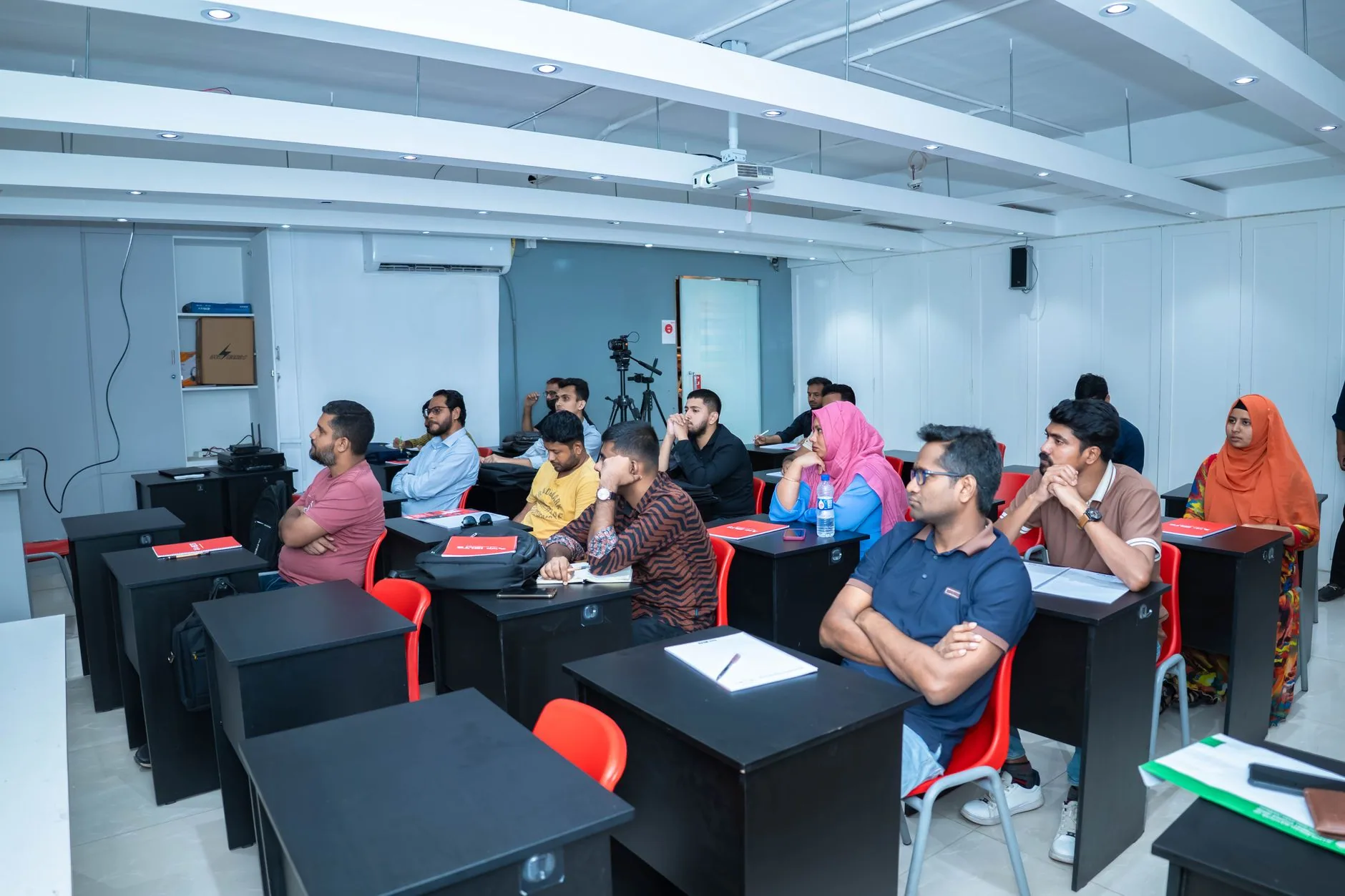
In-person learning supports collaborative problem-solving, instructor engagement, practical exercises, and professional networking.
Activities may include technical workshops, industry seminars, applied case discussions, professional development events, and corporate training sessions.
Explore Training Programs | Request Corporate Training
Expand Your Knowledge Beyond the Classroom.
AAPSCM® provides access to professional books and educational resources designed to support technical knowledge, examination preparation, career development, and continuous learning.
Our learning library supports professionals seeking deeper knowledge in procurement, purchasing, supply chain management, business operations, logistics, leadership, and related fields.
Resources may include:
Participants are encouraged to select resources aligned with their professional responsibilities and development goals.
Explore Professional Books
Build Practical Skills Through Structured Learning.
AAPSCM® offers learning opportunities that help professionals develop specialized skills and apply industry knowledge in practical settings.
Our seminars and courses support professionals who want to:
Explore Seminars and Courses
Professional learning should extend beyond formal coursework.
AAPSCM® encourages professionals to stay informed through research publications, industry updates, educational articles, technical reports, and relevant professional discussions.
Industry conferences and professional events provide opportunities to engage with emerging ideas, share experiences, and understand how organizations respond to evolving business challenges.
AAPSCM® professional events may include:
Conference participation may contribute to CPD when the educational activities are relevant, appropriately documented, and accepted under the applicable certification requirements.
Participants should retain evidence of attendance and the duration of qualifying educational sessions.
Professional networking activities alone should not automatically be counted as CPD hours.
AAPSCM® membership provides opportunities for professional engagement, industry collaboration, knowledge sharing, and career development.
Membership can complement professional certification by connecting individuals with a broader professional community.
Explore available training programs, educational resources, professional seminars, and certification pathways.
Eligible members may receive discounted pricing on selected AAPSCM® training programs, courses, or professional development activities.
Discount eligibility and amounts depend on the specific program and applicable membership terms.
Members should log in or contact AAPSCM® to confirm current pricing.
Connect with practitioners, managers, executives, educators, and industry professionals.
Access opportunities to strengthen professional knowledge, build leadership capabilities, and identify advanced certification pathways.
Stay informed about professional education opportunities, organizational announcements, and relevant industry developments.
Explore available professional membership categories and recognition opportunities, subject to the applicable eligibility criteria.
Membership and certification are distinct. Membership alone does not automatically confer a professional certification, and certification renewal remains subject to the applicable credential requirements.
Become an AAPSCM® Member
Organizations require employees who can respond effectively to changing technologies, operational challenges, regulatory expectations, and market conditions.
AAPSCM® corporate learning programs support workforce development through structured education and professional training.
Step 1: Identify Organizational Learning Needs
Review workforce responsibilities, organizational objectives, skills gaps, and operational priorities.
Step 2: Establish Competency Development Objectives
Define the knowledge, technical skills, and professional capabilities participants should develop.
Step 3: Select Appropriate Training Programs
Identify relevant certifications, workshops, executive education programs, or customized learning activities.
Step 4: Deliver Structured Professional Learning
Provide training through the agreed delivery format, supported by appropriate instructional resources and practical activities.
Step 5: Evaluate Learning Outcomes
Assess participant understanding, practical applications, and progress toward established learning objectives.
Step 6: Support Continued Development
Encourage employees to maintain professional learning records and pursue relevant advanced development opportunities.
The following group discount framework may apply to eligible instructor-led corporate training programs.
| Group Enrollment | Applicable Discount |
| 3–5 participants | 10% |
| 6–20 participants | 15% |
| 21 or more participants | 20% |
Discounts are subject to the applicable program terms, eligibility, and current corporate training policies.
Request Corporate Training
AAPSCM® encourages professionals to establish a structured professional development plan.
A CPD plan helps individuals identify skills gaps, prioritize learning activities, and document professional growth.
Identify your professional strengths, technical knowledge, experience, and areas requiring improvement.
Establish goals aligned with your current responsibilities, career aspirations, and professional certification requirements.
Select training courses, webinars, seminars, conferences, professional reading, and other activities that address your development needs.
Allocate time for professional development throughout the year rather than postponing learning until the end of a certification cycle.
Use new knowledge to improve workplace processes, support projects, solve operational challenges, or strengthen professional decision-making.
Maintain records of completed learning activities, hours, dates, providers, and professional outcomes.
Evaluate progress periodically and adjust learning priorities to reflect changing responsibilities and industry developments.
The following example demonstrates how a professional could organize a 40-hour development plan over a three-year certification cycle.
| Learning Activity | Illustrative Hours |
| Procurement or supply chain technical training | 8 |
| Artificial intelligence and digital transformation course | 8 |
| Professional conference educational sessions | 6 |
| Leadership and management workshop | 6 |
| Ethics, governance, and sustainability training | 4 |
| Structured professional webinars | 4 |
| Documented applied learning or professional research | 4 |
| Total | 40 |
This example is a planning tool, not an automatic determination of qualifying CPD credit. Each activity must meet the requirements applicable to the certification holder.
Certification holders should maintain clear and verifiable documentation of their continuing professional development activities.
A well-maintained CPD record helps demonstrate professional growth and supports certification renewal.
For each activity, record:
Depending on the activity, documentation may include:
AAPSCM® may request documentation when reviewing a certification renewal application.
AAPSCM® encourages accurate reporting and responsible documentation of professional development activities.
Certification holders should ensure that reported activities:
Where verification is required, candidates may be asked to provide supporting documents or clarify submitted information.
Incomplete, inaccurate, or unsupported CPD records may delay the renewal review process.
Professional certification demonstrates competence at a particular point in time. Continuing professional development helps certification holders maintain and strengthen that competence as industries evolve.
AAPSCM® encourages credential holders to review renewal requirements well before their certification expiration date.
Step 1: Confirm Your Certification Expiration Date
Review your credential and identify the applicable renewal deadline.
Step 2: Review Certification-Specific Requirements
Determine the CPD, documentation, application, and other renewal requirements for your certification.
Step 3: Complete Relevant Professional Development
Participate in qualifying learning activities during the applicable certification cycle.
Step 4: Organize Supporting Documentation
Prepare a CPD log and retain evidence of completed activities.
Step 5: Submit Your Renewal Application
Follow the applicable AAPSCM® renewal instructions and submit required information.
Step 6: Complete the Renewal Review
AAPSCM® reviews submitted information in accordance with the applicable certification requirements.
Step 7: Maintain Your Renewed Credential
Continue professional learning and plan for the next renewal cycle.
Renewal approval is not automatic and remains subject to the requirements of the individual certification.
AAPSCM® recognizes that professional development needs change as individuals progress through their careers.
Development priorities:
Development priorities:
Development priorities:
Development priorities:
AAPSCM® encourages professionals to include emerging technologies and evolving business practices in their professional development plans.
Understand AI applications in sourcing, procurement, customer engagement, supply chain planning, analytics, and organizational decision-making.
Explore automation technologies that improve operational efficiency, workflow integration, and process visibility.
Develop skills in forecasting, performance measurement, business intelligence, and data-driven decision-making.
Strengthen awareness of technology risks, data security, third-party vulnerabilities, and business continuity.
Understand responsible sourcing, resource efficiency, environmental performance, and sustainable operational practices.
Develop knowledge of international commerce, trade disruptions, supplier diversification, transportation risks, and resilience planning.
Learn to manage organizational change, technology investments, workforce adaptation, and strategic innovation.
Continuing Professional Development is the ongoing process of maintaining and improving professional knowledge, skills, and competencies through structured learning and relevant professional activities.
CPD supports continuing professional competence, helps professionals remain current with industry developments, and may form part of the requirements for certification renewal.
A general planning target is 30–40 hours over a three-year certification cycle. However, certification-specific requirements determine the actual obligations for each credential.
AAPSCM® professional certifications generally have a three-year validity period, subject to the requirements of the individual certification.
Yes, relevant online courses may qualify when they satisfy the applicable requirements and completion can be documented.
Relevant educational sessions may qualify when participation and learning duration can be verified. Social activities and general networking do not automatically qualify.
Self-paced learning may qualify when it is relevant, structured, and supported by appropriate documentation.
Not necessarily. Relevant activities delivered by other organizations may be considered, subject to the requirements and acceptance criteria of the applicable certification.
An activity may be relevant to multiple credentials, but each certification's rules govern whether and how the activity may be counted. Candidates should avoid inappropriate duplication and confirm applicable requirements.
No. Membership and continuing professional development are separate. Membership does not automatically fulfill certification renewal requirements.
Eligible members may receive discounts on selected programs. Applicable rates depend on the training program and current membership terms.
Structured professional reading may be considered when it is relevant, appropriately documented, and permitted under the applicable certification requirements.
Relevant teaching, mentoring, and knowledge-sharing activities may be considered when they demonstrate meaningful professional development and satisfy applicable requirements.
The timing of qualifying activities depends on the applicable certification requirements. AAPSCM® encourages continuous learning throughout the certification cycle rather than concentrating development activities near renewal.
Failure to satisfy applicable renewal requirements may affect your ability to renew your credential. Contact AAPSCM® before expiration for guidance on available options.
Use the credential verification resources provided by AAPSCM® or contact the certification support team for assistance.
Yes. Organizations may inquire about customized training, professional workshops, group learning, and workforce development programs.
AAPSCM® offers online and virtual learning opportunities that can support international participation, subject to program availability and eligibility.
No. CPD supports professional competence and career development but does not guarantee employment, promotion, salary increases, or professional licensing.
Contact AAPSCM® for assistance with certification-specific requirements, professional development programs, and renewal procedures.
Professional success requires continuous learning, adaptability, and a commitment to excellence.
AAPSCM® provides professional development pathways designed to help individuals strengthen their expertise, pursue advanced certifications, develop leadership capabilities, and remain current with emerging industry practices.
Whether your goal is to maintain an existing credential, expand into artificial intelligence, improve procurement performance, advance into management, or prepare for executive responsibilities, continuing professional development can help you make meaningful progress.
Take the Next Step Toward Lifelong Professional Excellence.
Explore Professional Certifications
Explore Executive Diploma Programs
Browse Professional Books
Explore Seminars and Courses
Become an AAPSCM® Member
Request Corporate Training
American Association of Procurement, Supply Chain & Tourism Management (AAPSCM®)
6136 Frisco Square Blvd, Suite 400Frisco, TX 75034United States of America
Phone: +1 (972) 516-9833
Email: [email protected]
Website: https://aapscm.org
Venture X Downtown Columbia Building18th FloorColumbia, SC 29201United States of America
Phone: +1 (803) 998-2189
Contact AAPSCM®
AAPSCM® — Advancing Professional Excellence Through Certification, Education, Innovation, and Global Collaboration.
Professional development offerings, learning hours, eligibility criteria, member discounts, and certification renewal requirements are subject to the applicable program policies and published terms.