Self-Paced Training, Exam Fees: Payment covers the exam only. Complimentary exam guide and practice questions will be provided to assist you.
Purchase and Pay
Certification Overview
The American Certified Port Terminal Operations Associate (AC-PTOA)® is an internationally recognized professional certification developed by the American Association of Procurement, Supply Chain & Tourism Management (AAPSCM®) for individuals seeking to establish or strengthen their careers in port terminal operations, maritime logistics, cargo handling, container management, and international trade.
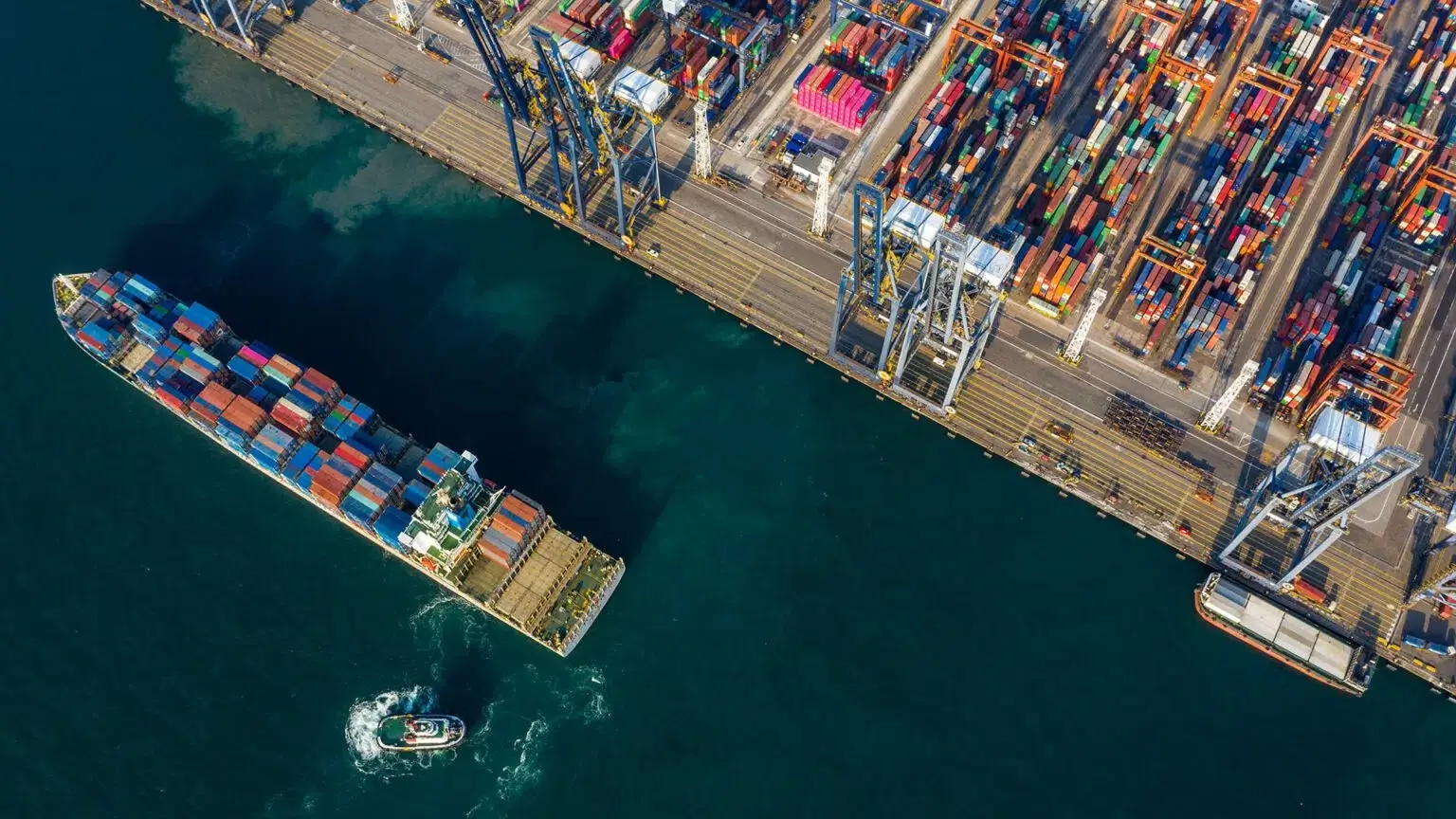
Modern ports serve as the backbone of global commerce, handling more than 80% of world merchandise trade by volume. As ports continue to evolve through digital transformation, automation, sustainability initiatives, and smart logistics technologies, organizations increasingly require professionals with practical knowledge of port operations, terminal management, cargo movement, safety, security, and international logistics.
The AC-PTOA® certification provides participants with the knowledge, practical competencies, and industry-recognized credentials needed to contribute effectively to modern port and maritime operations.
Why Get Certified?

Global maritime transportation is the backbone of international commerce, with more than 80% of global merchandise trade by volume moving through seaports. As ports evolve into smart, digitally connected logistics hubs, employers are increasingly seeking professionals with practical knowledge of port terminal operations, cargo handling, maritime logistics, digital technologies, and international trade.
The American Certified Port Terminal Operations Associate (AC-PTOA)® certification equips participants with industry-relevant competencies that support operational excellence, workforce readiness, and long-term career advancement in the global maritime sector.
By earning the AC-PTOA® certification, you will be able to:
- Gain internationally recognized knowledge of modern port terminal operations and maritime logistics.
- Develop practical competencies in cargo handling, container terminal operations, vessel coordination, and international shipping processes
- Strengthen your understanding of customs procedures, trade documentation, and regulatory compliance.
- Build foundational skills in digital port technologies, automation, smart ports, and AI-enabled logistics.
- Improve your ability to support safe, secure, efficient, and sustainable port operations.
- Differentiate yourself with an internationally recognized, competency-based professional certification awarded by AAPSCM®.
- Establish a strong foundation for career progression into supervisory, managerial, and executive roles within port operations and maritime logistics.
- Join a global community of certified professionals committed to operational excellence, continuous learning, and professional development.
- Create a clear pathway toward advanced AAPSCM® certifications, including AC-PTOP® (Professional), AC-PTOM® (Manager), and AC-PMLE® (Executive).
Whether you are beginning your career, transitioning into the maritime industry, or seeking to strengthen your professional credentials, the AC-PTOA® certification provides the knowledge, recognition, and confidence needed to succeed in today’s increasingly digital and globally connected port and maritime logistics environment.
Course Description

The American Certified Port Terminal Operations Associate (AC-PTOA)® certification provides a comprehensive introduction to the principles, operations, technologies, and professional practices that support efficient port terminal management and global maritime logistics.
Participants gain practical knowledge of:
- Port and terminal operations
- Maritime logistics and global shipping
- Cargo handling and container management
- Vessel planning and coordination
- Port safety and security
- Customs and international trade documentation
- Digital port technologies
- Operational performance improvement
- Sustainability in maritime logistics
- Professional communication and ethics
The program integrates internationally recognized best practices with modern digital technologies to prepare participants for operational roles within ports, shipping companies, logistics organizations, customs agencies, and transportation enterprises.
Certification Testing Outcomes (Skills & Competencies)
Successful candidates will demonstrate competency in the following professional knowledge and skill areas assessed through the AAPSCM® certification process:
- 1. Port and Terminal Operations – Understanding port infrastructure, terminal functions, cargo flow, and operational processes.
- 2. Maritime Logistics and Global Shipping – Knowledge of international shipping operations, multimodal transportation, and maritime supply chain principles.
- 3. Cargo Handling and Container Management – Competence in cargo handling methods, container operations, terminal equipment, and yard management.
- 4. Vessel Coordination and Terminal Planning – Understanding vessel scheduling, berth allocation, operational coordination, and terminal resource planning.
- 5. International Trade Documentation and Customs Compliance – Knowledge of shipping documentation, customs procedures, cargo documentation, and trade facilitation.
- 6. Port Safety, Security, and Regulatory Compliance – Application of workplace safety, port security, environmental protection, and compliance with international regulations.
- 7. Digital Port Technologies and Automation – Understanding Terminal Operating Systems (TOS), Port Community Systems (PCS), smart ports, automation, AI, and digital logistics technologies.
- 8. Operational Performance and Continuous Improvement – Ability to support productivity improvement, resource optimization, service quality, and performance measurement initiatives.

Course Learning Outcomes
Upon successful completion of the American Certified Port Terminal Operations Associate (AC-PTOA)® certification, participants will be able to:
LO1 – Understand Port and Terminal Operations

Explain the structure, functions, and operational processes of modern ports, container terminals, and maritime logistics facilities.
LO2 – Apply Maritime Logistics Principles

Describe the movement of cargo through international shipping networks and explain the role of ports within global supply chains and multimodal transportation systems.
LO3 – Perform Cargo and Terminal Operations

Apply fundamental principles of cargo handling, container operations, terminal equipment utilization, and yard management to support safe and efficient port activities.
LO4 – Interpret Shipping and Trade Documentation

Identify and interpret shipping documents, customs requirements, cargo manifests, and international trade procedures used in maritime logistics.
LO5 – Support Vessel and Port Coordination

Explain vessel scheduling, berth allocation, terminal coordination, and operational planning activities that contribute to efficient port performance.
LO6 – Apply Safety and Security Practices

Demonstrate an understanding of workplace safety, cargo security, environmental protection, and regulatory compliance within port and terminal operations.
LO7 – Utilize Digital Port Technologies

Recognize the role of digital technologies, Terminal Operating Systems (TOS), Port Community Systems (PCS), automation, and smart port solutions in improving operational efficiency.
LO8 – Promote Sustainable Port Operations

Describe sustainable operational practices that improve environmental performance, resource utilization, and organizational resilience.
LO9 – Support Operational Excellence

Apply continuous improvement principles, effective communication, customer service, and stakeholder collaboration to enhance port and maritime logistics performance.
LO10 – Demonstrate Professionalism and Ethical Practice

Exhibit professional conduct, ethical decision-making, teamwork, and accountability while supporting safe and efficient maritime logistics operations.
Target Audience
This certification is designed for:
Port Operations Assistants
Terminal Operations Personnel
Cargo Handling Officers
Shipping Coordinators
Freight Forwarding Professionals
Customs Support Officers
Warehouse Personnel
Logistics Coordinators
Maritime Operations Staff
Import and Export Officers
Transportation Coordinators
Supply Chain Assistants
Government Port Employees
Shipping Agency Personnel
University Students
Recent Graduates
Career Changers entering maritime logistics
Career Opportunities
Graduates may pursue positions including:
Port Operations Associate
Terminal Operations Coordinator
Container Yard Coordinator
Cargo Operations Assistant
Shipping Coordinator
Freight Forwarding Officer
Customs Documentation Officer
Logistics Assistant
Import/Export Coordinator
Marine Operations Assistant
Warehouse Operations Coordinator
Distribution Coordinator
Transportation Assistant
Supply Chain Coordinator
Maritime Logistics Associate
Employment Outlook
Global maritime trade continues to expand as economies become increasingly interconnected and supply chains rely on efficient port operations. According to the United Nations Conference on Trade and Development (UNCTAD), over 80% of global merchandise trade by volume is transported by sea, making ports essential to international commerce.
The U.S. Bureau of Labor Statistics (BLS) projects employment for Logisticians to grow 19% between 2023 and 2033, substantially faster than the average for all occupations, with approximately 26,100 job openings annually.
As ports increasingly adopt automation, artificial intelligence, digital platforms, sustainability initiatives, and data-driven operational management, experienced port managers with strategic leadership capabilities will remain in strong demand worldwide.
Increasing investments in:
Smart Ports
Port Automation
AI-enabled Terminal Operations
Digital Supply Chains
Green Port Initiatives
Global Trade Infrastructure
continue to create strong demand for qualified port and maritime logistics professionals.
Industry Applications
The AC-PTOA® certification is applicable across numerous sectors including:
Seaport Authorities
Container Terminal Operators
Shipping Lines
Ocean Carriers
Maritime Logistics Companies
Freight Forwarders
Customs Brokerage Firms
Government Maritime Authorities
Distribution Centers
Third-Party Logistics (3PL)
Fourth-Party Logistics (4PL)
Manufacturing
International Trade Organizations
Import/Export Companies
Program Structure
The certification consists of eight comprehensive modules:
Module 1 – Foundations of Port and Maritime Logistics
- Introduction to Global Maritime Trade
- Port Infrastructure and Terminal Operations
- Port Stakeholders and Supply Chain Integration
Module 2 – Port Terminal and Container Operations
- Container Terminal Operations
- Yard Planning and Equipment Operations
- Cargo Handling Operations
Module 3 – Vessel and Marine Operations
- Vessel Planning and Berth Management
- Marine Coordination and Port Services
- Port Performance and Operational Excellence
Module 4 – International Shipping Documentation and Trade Compliance
- Shipping Documentation
- Customs and International Trade Procedures
- Regulatory Compliance
Module 5 – Port Safety, Security, and Environmental Management
- Port Safety Management
- Port Security Operations
- Environmental and Emergency Management
Module 6 – Digital Port Technologies and Smart Port Operations
- Digital Port Systems
- Automation and Smart Ports
- Artificial Intelligence in Port Operations
Module 7 – Port Performance, Sustainability, and Risk Management
- Port Performance Management
- Sustainable Port Operations
- Operational Risk Management
Module 8 – Professional Development and Career Excellence
- Professional Ethics and Leadership
- Communication and Customer Service
- Career Development and Future Trends
Tools & Applications
Participants gain exposure to technologies widely used within modern port and maritime operations, including:
Port & Terminal Systems

- Terminal Operating Systems (TOS)
- Navis N4
- Berth Planning Systems
- Yard Management Systems
Maritime Logistics Platforms

- SAP Transportation Management
- Oracle Transportation Management
- CargoWise
- Customs Management Systems
- Freight Management Platforms
Digital Technologies

- Microsoft Excel
- Microsoft Power BI
- Tableau
- GPS Fleet Tracking
- AIS Vessel Tracking
- MarineTraffic
- IoT Monitoring
- AI-Assisted Logistics Platforms
- Microsoft Copilot
- ChatGPT Enterprise
Industry Framework Alignment

The certification aligns with internationally recognized standards and best practices, including:
- AAPSCM® Port & Maritime Logistics Competency Framework
- IMO Maritime Guidelines
- ISPS Code
- World Customs Organization (WCO)
- UNCTAD Port Management Framework
- ISO 9001
- ISO 28000
- ISO 31000
- ISO 22301
- ISO 45001
- CSCMP Supply Chain Framework
Certification Benefits

Successful participants receive:
- International Professional Certification
- AC-PTOA® Professional Designation
- Digital Certificate
- Digital Certification Badge
- Credential Verification Listing
- Global Professional Recognition
- Career Advancement Opportunities
- Eligibility for AAPSCM® Membership
- Access to Professional Networking
- Continuing Professional Development Opportunities
Training Options
Choose the learning pathway that best suits your schedule.
Self-Paced Professional Certification
- Flexible online learning
- Digital course materials
- Knowledge checks
- Online examination
- Digital credential
Four-Day Live Virtual Instructor-Led Training
- Live expert instruction
- Interactive case studies
- Professional discussions
- Capstone Project (recommended)
- Certification examination option
Corporate Workforce Development
Customized organizational training for ports, shipping companies, logistics providers, and government agencies.
University Executive & Continuing Education
Available for universities and higher education institutions seeking industry-recognized maritime logistics certification.
Assessment Options
Professional Capstone Project (Recommended for Virtual Instructor-Led Participants)

Participants complete a practical operational assessment of a container terminal or simulated maritime logistics operation, providing recommendations to improve efficiency, safety, cargo flow, customer service, and operational performance.
Professional Certification Examination (Recommended for Self-Paced Participants)

- 100 Multiple-Choice Questions
- 90 Minutes
- 70% Passing Score
- Secure Online Examination
- One Retake Permitted
Professional Designation
Successful candidates earn the internationally recognized designation:
Name, AC-PTOA®
The designation may be used on:
Business cards
Email Signatures
LinkedIn Profiles
Curriculum Vitae (CV)
Professional Correspondence
Corporate Biographies
Certification Renewal & CPD
The AC-PTOA® certification remains valid for three (3) years.
To maintain active certification, professionals must complete:

- 30 Continuing Professional Development (CPD) Hours
- Participation in approved training, conferences, webinars, research, publications, or industry activities
- Renewal every three years in accordance with AAPSCM® Certification Policies
Global Recognition & Accreditation
The American Certified Port Terminal Operations Associate (AC-PTOA)® is awarded by the American Association of Procurement, Supply Chain & Tourism Management (AAPSCM®) and is developed using internationally recognized competency-based certification principles.
The certification aligns with the principles and best practices associated with:
ISO/IEC 17024 – Personnel Certification
ANSI National Accreditation Board (ANAB) certification principles
National Commission for Certifying Agencies (NCCA) standards
Institute for Credentialing Excellence (I.C.E.) best practices
International maritime, logistics, port operations, and supply chain competency frameworks
The credential supports career mobility across ports, shipping companies, maritime organizations, logistics providers, customs agencies, transportation enterprises, and global trade organizations.

Enroll Today
Launch Your Career in Global Port and Maritime Logistics
The American Certified Port Terminal Operations Associate (AC-PTOA)® provides the knowledge, practical skills, and internationally recognized credential needed to succeed in one of the world’s most dynamic and essential industries.
Whether you are beginning your maritime career, transitioning into logistics, or seeking professional recognition, the AC-PTOA® certification will equip you with the competencies required to excel in modern port and terminal operations.
Become internationally certified. Build your future in maritime logistics. Enroll in the AC-PTOA® program today.
Virtual Instructor-Led Training (VILT): Enroll in a 4-day program with 2 hours of live instruction daily, led by industry experts, for $1,200.
Purchase and Pay