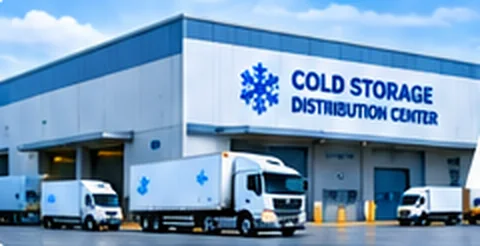
Lead Cold Chain Operations. Protect Product Integrity. Drive Intelligent Logistics Transformation.

About the AC-CCLM® Certification

  • The American Certified Cold Chain Logistics Manager (AC-CCLM)® is AAPSCM®'s premier managerial certification for professionals who lead temperature-controlled logistics operations across pharmaceutical, biotechnology, healthcare, food, agriculture, retail, humanitarian, and global supply chain organizations.
  • It develops the strategic, operational, and leadership competencies needed to manage modern cold chain networks, optimize warehouse and transportation operations, implement digital technologies, lead high-performing teams, and drive continuous organizational improvement.
  • Whether you manage a pharmaceutical distribution center, a healthcare logistics operation, a global food supply network, or an international cold storage facility, AC-CCLM® prepares you to lead with confidence in one of the world's fastest-growing industries.

Why Choose AC-CCLM®?

In today's global economy, the success of pharmaceutical, healthcare, food, biotechnology, and international logistics organizations depends on highly efficient, secure, and resilient temperature-controlled supply chains. AC-CCLM® prepares experienced professionals to lead complex operations while ensuring product integrity, regulatory compliance, operational excellence, and business continuity. A Globally Relevant Managerial Credential That Combines:

  • Strategic management and operational leadership
  • Quality governance and regulatory compliance
  • Digital transformation and data-driven decisions
  • Financial performance and organizational improvement
  • Advance your career into management.
  • Develop strategic leadership skills.
  • Master end-to-end cold chain operations.
  • Strengthen regulatory compliance and quality excellence.
  • Lead digital transformation (AI, IoT, WMS, TMS, analytics).
  • Improve operational performance and productivity.
  • Build organizational resilience and business continuity.
  • Enhance financial and business performance.
  • Increase your professional value and credibility.
  • Expand global career opportunities.
  • Earn an internationally recognized professional credential.

Who Should Enroll?

  • Cold Chain and Supply Chain Managers
  • Logistics and Distribution Managers
  • Warehouse and Cold Storage Managers
  • Transportation and Fleet Managers
  • Quality and Compliance Managers
  • Healthcare and Pharmaceutical Logistics Managers
  • Supply Chain Supervisors and Team Leaders
  • Procurement and Operations Managers
  • Risk and Business Continuity Professionals
  • Experienced Professionals Preparing for Management Roles
  • Develop cold chain strategies and operational plans.
  • Manage refrigerated warehousing and distribution centers.
  • Optimize transportation, carriers, and global distribution.
  • Ensure product integrity, traceability, and quality compliance.
  • Apply regulatory requirements (GDP, GSP, HACCP, ISO).
  • Use AI, IoT, and digital systems to improve performance.
  • Manage operational risks and business continuity.
  • Apply financial management and cost optimization.
  • Lead teams, drive change, and build organizational capability.
  • Improve sustainability and operational performance.

Certification at a Glance

CertificationAC-CCLM®
Certification LevelAdvanced / Managerial
Curriculum8 Modules and 24 Submodules
Examination100 Multiple-Choice Questions
Duration90 Minutes
Passing Score70%
Assessment OptionsOnline Examination or Approved VILT Capstone
Validity3 Years
Delivery OptionsSelf-Paced Examination, VILT, or Corporate Training

Eight-Module Certification Curriculum (24 Specialized Submodules)

Module 1Strategic Cold Chain Management and Operational Governance
Module 2Cold Storage, Warehousing, and Distribution Center Management
Module 3Refrigerated Transportation and Global Distribution Management
Module 4Quality Management, Regulatory Compliance, and Product Integrity
Module 5Artificial Intelligence, Digital Transformation, and Data Analytics
Module 6Enterprise Risk Management, Business Continuity, and Supply Chain Security
Module 7Financial Management, Sustainability, and Operational Performance
Module 8Strategic Leadership, Organizational Transformation, and Future Operations
AC-CCA®Cold Chain Associate
(Foundational)
➜
AC-CCLP®Cold Chain Logistics Professional
(Professional)
➜
AC-CCLM®Cold Chain Logistics Manager
(Managerial)
➜
AC-CHLE®Cold Chain & Healthcare Logistics Executive
(Executive)

Self-Paced Examination

  • Online examination
  • Examination guide
  • Practice questions
Purchase and Pay

Virtual Instructor-Led Training (VILT)

  • 4 Days (2 hours per day)
  • Live, interactive instruction
  • Case studies and practical exercises
  • Examination or capstone (eligible)
Register Now – $1,200 USD

Corporate Training

  • Customized training programs
  • Organization-specific cases
  • On-site or virtual delivery
  • Operational improvement focus
Request Corporate Training

Explore the curriculum, managerial applications, and career opportunities.

Enroll Today — Become a Certified Cold Chain Logistics ManagerLead Cold Chain Operations. Protect Product Integrity. Drive Intelligent Logistics Transformation.
Enroll in
AC-CCLM®

Choose Your Pathway and Enroll

More about AC-CCLM®

The complete program information, in one place. Swipe sideways or use the arrows to browse each topic.

1
Certification at a Glance
Certification FeatureProgram Details
CertificationAmerican Certified Cold Chain Logistics Manager (AC-CCLM)®
Awarding OrganizationAAPSCM®
Certification LevelAdvanced / Managerial
Curriculum8 Comprehensive Modules
Specialized Learning Units24 Submodules
Competency Framework16 Managerial Competency Domains
Delivery OptionsSelf-Paced Examination, Virtual Instructor-Led Training, Corporate Training
Virtual Instructor-Led Training4 Days, 2 Hours Daily
Instructor-Led Training Fee$1,200 USD
Examination100 Multiple-Choice Questions
Examination Duration90 Minutes
Passing Score700 on a 1,000-Point Scale (70%)
Assessment OptionsOnline Examination or Approved VILT Capstone
Examination RetakeOne Retake Under Applicable AAPSCM® Policies
Certification Validity3 Years
Continuing Professional DevelopmentSubject to Applicable AAPSCM® Renewal Policies
Professional DesignationAC-CCLM®
Certification ProgressionAC-CCA® → AC-CCLP® → AC-CCLM® → AC-CHLE®
2
Comprehensive Program Overview

Developing the Next Generation of Cold Chain Logistics Managers

Cold chain logistics is a specialized discipline involving the coordinated management of facilities, equipment, personnel, transportation networks, quality systems, information technologies, and business processes required to protect temperature-sensitive products.

Products such as vaccines, biologics, specialty pharmaceuticals, laboratory materials, fresh produce, dairy products, seafood, frozen foods, and other temperature-sensitive commodities require carefully managed environmental conditions throughout storage and distribution.

Cold chain managers must ensure that these requirements are integrated into operational planning, resource allocation, service delivery, supplier management, and organizational performance.

Unlike associate-level and professional-level positions, managerial roles require responsibility for multiple operational functions, cross-functional coordination, financial performance, employee development, compliance oversight, and risk management.

The AC-CCLM® certification develops the knowledge required to manage these responsibilities effectively.

The Managerial Scope of AC-CCLM®

Participants develop competencies in:

  • Strategic cold chain planning and operational governance.
  • Refrigerated warehouse and distribution center management.
  • Inventory optimization and product traceability.
  • Refrigerated transportation and fleet management.
  • Pharmaceutical and healthcare logistics.
  • Quality assurance and regulatory compliance.
  • Temperature monitoring and excursion management.
  • Enterprise risk management and business continuity.
  • Supply chain security and cybersecurity awareness.
  • Artificial intelligence and digital transformation.
  • Warehouse and transportation management systems.
  • Financial planning, budgeting, and cost optimization.
  • Supplier performance and contract management.
  • Sustainability and environmental performance.
  • Workforce leadership and organizational development.
  • Performance measurement and continuous improvement.

The program emphasizes managerial decision-making, practical problem-solving, accountability, and the ability to translate operational information into measurable organizational improvements.

3
Why Earn the AC-CCLM® Certification?

Build the Leadership Capabilities Required for High-Performing Cold Chain Organizations

3.1 Advance into Management and Senior Leadership

Develop the managerial knowledge required to supervise operations, coordinate multidisciplinary teams, establish performance objectives, and manage complex logistics environments.

3.2 Strengthen Strategic and Operational Decision-Making

Learn to align cold chain operations with organizational goals, customer requirements, quality expectations, financial priorities, and long-term business strategies.

3.3 Manage End-to-End Cold Chain Networks

Develop expertise in integrating refrigerated storage, transportation, distribution, inventory, monitoring, and product traceability into reliable operational systems.

3.4 Improve Pharmaceutical and Healthcare Logistics

Strengthen understanding of product integrity, quality systems, temperature monitoring, deviation management, and the operational requirements of healthcare distribution.

3.5 Lead Regulatory Compliance and Quality Excellence

Evaluate quality management systems, Good Distribution Practices (GDP), Good Storage Practices (GSP), food safety requirements, documentation controls, and audit readiness.

3.6 Drive Digital Transformation

Explore managerial applications of artificial intelligence, IoT, predictive analytics, blockchain-enabled traceability, warehouse automation, and enterprise logistics platforms.

3.7 Improve Financial and Operational Performance

Develop competencies in budgeting, cost analysis, resource allocation, investment evaluation, performance measurement, and operational productivity.

3.8 Strengthen Enterprise Risk Management

Learn to identify operational vulnerabilities, manage temperature excursions, prepare contingency plans, and improve business continuity.

3.9 Lead Sustainable Cold Chain Operations

Evaluate energy efficiency, refrigerant management, sustainable packaging, product waste reduction, and environmental performance.

3.10 Prepare for Executive-Level Responsibilities

Establish a pathway toward senior management, directorship, enterprise leadership, and the AC-CHLE® executive certification.

4
Why Cold Chain Management Matters

Protecting Products, Patients, Consumers, and Organizational Value

Temperature-controlled logistics is essential to the safe and reliable distribution of many products used in healthcare, food production, agriculture, and industrial supply chains.

A temperature excursion, equipment failure, handling error, or transportation disruption may compromise product integrity and create significant operational and financial consequences.

Depending on the product, severity of the incident, and applicable quality requirements, potential consequences include:

  • Product degradation or spoilage.
  • Reduced shelf life.
  • Product quarantine or rejection.
  • Regulatory noncompliance.
  • Financial losses.
  • Supply interruptions.
  • Patient safety concerns.
  • Food safety risks.
  • Customer dissatisfaction.
  • Product recalls.
  • Contractual disputes.
  • Reputational damage.

Cold chain managers are responsible for establishing appropriate controls, supervising operations, monitoring performance, responding to deviations, and ensuring that authorized quality personnel make product disposition decisions.

Effective cold chain management protects product quality while supporting operational reliability, organizational performance, and public confidence.

5
Who Should Enroll?

AC-CCLM® is designed for experienced professionals and supervisors seeking managerial and senior leadership responsibilities.

Cold Chain and Supply Chain Management

  • Cold Chain Managers.
  • Logistics Managers.
  • Supply Chain Managers.
  • Distribution Managers.
  • Operations Managers.
  • Regional Logistics Managers.
  • Supply Chain Supervisors.
  • Senior Logistics Professionals.

Pharmaceutical, Healthcare, and Biotechnology

  • Pharmaceutical Logistics Managers.
  • Healthcare Supply Chain Managers.
  • Vaccine Distribution Managers.
  • Biotechnology Logistics Professionals.
  • Hospital Logistics Managers.
  • Medical Distribution Managers.
  • Pharmaceutical Quality Professionals.

Warehouse, Transportation, and Inventory Management

  • Warehouse Managers.
  • Cold Storage Facility Managers.
  • Distribution Center Managers.
  • Transportation Managers.
  • Fleet Managers.
  • Inventory Managers.
  • Warehouse Operations Supervisors.

Quality, Risk, and Compliance

  • Quality Assurance Managers.
  • Regulatory Compliance Managers.
  • Food Safety Managers.
  • Supply Chain Risk Managers.
  • Business Continuity Professionals.
  • Quality Systems Managers.

Corporate and Public-Sector Professionals

  • Procurement Managers.
  • Manufacturing Managers.
  • Production Managers.
  • Third-Party Logistics Managers.
  • Government Logistics Professionals.
  • Humanitarian Logistics Managers.
  • Defense Logistics Professionals.
  • Business Consultants.
  • Senior Supervisors Preparing for Management.
6
Comprehensive Certification Curriculum

Upon successful completion of the AC-CCLM® certification requirements, candidates will be able to:

LO1 — Develop Cold Chain Management Strategies

Formulate operational strategies that align cold chain activities with organizational objectives, product requirements, and customer expectations.

LO2 — Manage Refrigerated Warehousing

Evaluate facility capacity, environmental controls, warehouse productivity, inventory accuracy, and operational performance.

LO3 — Optimize Transportation and Distribution

Manage refrigerated transportation networks, carrier performance, route planning, shipment monitoring, and distribution efficiency.

LO4 — Strengthen Product Integrity and Traceability

Implement appropriate controls for product identification, temperature monitoring, batch tracking, expiration management, and recall readiness.

LO5 — Lead Quality and Compliance Programs

Evaluate quality management systems, applicable regulatory requirements, documentation practices, audits, and corrective actions.

LO6 — Manage Enterprise Risks

Assess temperature excursions, equipment failures, transportation disruptions, supplier vulnerabilities, and business continuity risks.

LO7 — Apply Financial Management Principles

Develop operational budgets, evaluate cost drivers, analyze resource utilization, and assess investment alternatives.

LO8 — Lead Digital Transformation

Evaluate AI, IoT, warehouse automation, predictive analytics, digital twins, and enterprise software applications.

LO9 — Manage Supplier and Customer Relationships

Assess supplier performance, service level agreements, contract compliance, customer requirements, and collaborative improvement initiatives.

LO10 — Develop Operational Performance Systems

Establish KPIs, evaluate dashboards, interpret operational data, and implement continuous improvement programs.

LO11 — Strengthen Workforce Leadership

Manage teams, develop employees, coordinate cross-functional activities, and support organizational change.

LO12 — Improve Sustainability Performance

Evaluate energy consumption, refrigeration efficiency, packaging, transportation emissions, and product waste.

LO13 — Support Strategic Investment Decisions

Analyze the operational and financial implications of facility expansion, automation, monitoring systems, and technology investments.

LO14 — Demonstrate Ethical Management

Apply professional integrity, accountability, data confidentiality, safety leadership, and responsible organizational governance.

LO15 — Lead Operational Improvement Projects

Develop implementation plans, assign responsibilities, establish milestones, and measure improvement outcomes.

LO16 — Prepare for Executive Leadership

Connect cold chain operations with enterprise strategy, resilience, financial sustainability, and long-term competitiveness.

7
Comprehensive Eight-Module Certification Curriculum

Eight Modules | 24 Specialized Submodules

The AC-CCLM® Body of Knowledge combines managerial leadership, operational excellence, quality governance, financial oversight, digital transformation, and organizational resilience.

8
Comprehensive Certification Curriculum

Module 1 — Strategic Cold Chain Management and Operational Governance

Module Purpose: Develop the strategic planning, governance, and operational leadership capabilities required to manage temperature-controlled supply chains.

1.1 Cold Chain Strategy and Enterprise Alignment

  • Strategic cold chain management.
  • Corporate strategy alignment.
  • Supply chain operating models.
  • Organizational objectives.
  • Customer service strategies.
  • Product integrity requirements.
  • Strategic capacity planning.
  • Supply chain network design.
  • Demand and supply coordination.
  • Service level management.
  • Strategic resource allocation.
  • Competitive positioning.

1.2 Cold Chain Governance and Management Systems

  • Organizational governance.
  • Management accountability.
  • Operational policies.
  • Standard Operating Procedures.
  • Roles and responsibilities.
  • Decision-making authority.
  • Cross-functional coordination.
  • Management reporting.
  • Internal controls.
  • Supplier governance.
  • Compliance oversight.
  • Performance accountability.

1.3 Strategic Planning and Operational Leadership

  • Annual operational planning.
  • Workforce planning.
  • Capacity management.
  • Resource scheduling.
  • Operational priorities.
  • Management decision-making.
  • Stakeholder engagement.
  • Process standardization.
  • Organizational communication.
  • Strategic improvement initiatives.
  • Management reviews.
  • Operational excellence.

Managerial Application: Develop a strategic cold chain operations plan for a pharmaceutical distribution center, including organizational objectives, capacity requirements, performance indicators, and management responsibilities.

Module Outcome: Formulate and evaluate operational strategies that align cold chain performance with organizational priorities.

Module 2 — Cold Storage, Warehousing, and Distribution Center Management

Module Purpose: Strengthen managerial competencies in refrigerated facility operations, inventory optimization, warehouse productivity, and distribution performance.

2.1 Refrigerated Warehouse and Facility Management

  • Cold storage facility planning.
  • Refrigerated warehouse design.
  • Chilled and frozen storage zones.
  • Temperature-controlled facility capacity.
  • Refrigeration equipment management.
  • Environmental monitoring.
  • Temperature mapping awareness.
  • Facility maintenance.
  • Energy consumption.
  • Warehouse utilization.
  • Facility safety.
  • Infrastructure investment planning.

2.2 Warehouse Operations and Workforce Productivity

  • Receiving management.
  • Put-away and storage.
  • Picking and packing.
  • Order fulfillment.
  • Temperature-controlled staging.
  • Dispatch coordination.
  • Warehouse labor planning.
  • Productivity measurement.
  • Material handling equipment.
  • Automated storage and retrieval systems.
  • Warehouse process improvement.
  • Operational supervision.

2.3 Inventory Optimization and Product Traceability

  • Inventory planning.
  • Inventory accuracy.
  • FEFO stock rotation.
  • Lot and batch tracking.
  • Expiration management.
  • Inventory reconciliation.
  • Warehouse Management Systems.
  • RFID and barcode technologies.
  • Product returns.
  • Product quarantine.
  • Recall readiness.
  • Inventory performance management.

Managerial Application: Conduct a refrigerated warehouse performance assessment and develop an improvement plan addressing capacity utilization, inventory accuracy, employee productivity, and temperature compliance.

Module Outcome: Manage and optimize refrigerated warehouse operations, inventory systems, and distribution center performance.

Module 3 — Refrigerated Transportation and Global Distribution Management

Module Purpose: Develop competencies in refrigerated transportation planning, fleet management, multimodal logistics, distribution networks, and carrier performance.

3.1 Refrigerated Transportation and Fleet Management

  • Refrigerated trucks and trailers.
  • Reefer container operations.
  • Fleet planning.
  • Equipment selection.
  • Vehicle preconditioning.
  • Refrigeration system performance.
  • Preventive maintenance.
  • Transportation capacity.
  • Fleet utilization.
  • Driver coordination.
  • Transportation safety.
  • Operating cost management.

3.2 Global and Multimodal Cold Chain Distribution

  • Air cargo cold chain logistics.
  • Ocean reefer transportation.
  • Road and rail transportation.
  • International freight forwarding.
  • Customs coordination.
  • Cross-border transportation.
  • Airport and seaport handling.
  • Temperature-controlled transfer points.
  • Multimodal shipment visibility.
  • International distribution networks.
  • Transportation risk.
  • Global logistics coordination.

3.3 Carrier Management and Distribution Optimization

  • Carrier selection.
  • Carrier qualification.
  • Service level agreements.
  • Route optimization.
  • Delivery scheduling.
  • Transportation Management Systems.
  • GPS tracking.
  • Real-time shipment visibility.
  • Electronic proof of delivery.
  • Carrier performance scorecards.
  • Transportation cost analysis.
  • Customer delivery performance.

Managerial Application: Develop a refrigerated transportation management plan incorporating fleet capacity, carrier performance, temperature monitoring, route optimization, and contingency procedures.

Module Outcome: Evaluate and manage transportation networks to improve product protection, delivery reliability, and cost efficiency.

Module 4 — Quality Management, Regulatory Compliance, and Product Integrity

Module Purpose: Develop managerial knowledge of quality systems, regulatory compliance, product integrity, validation and qualification, and audit readiness.

4.1 Cold Chain Quality Management Systems

  • Quality Management Systems.
  • Quality assurance governance.
  • Quality control.
  • Standard Operating Procedures.
  • Documentation management.
  • Quality risk management.
  • Deviation reporting.
  • Nonconformance management.
  • Corrective and Preventive Actions.
  • Management review.
  • Quality performance indicators.
  • Continuous quality improvement.

4.2 Regulatory Compliance and Industry Standards

  • Good Distribution Practices.
  • Good Storage Practices.
  • Pharmaceutical distribution requirements.
  • Healthcare product handling.
  • Food safety management.
  • HACCP principles.
  • Relevant FDA requirements.
  • Applicable WHO guidance.
  • ISO-based management systems.
  • Supplier compliance.
  • Regulatory inspection readiness.
  • Compliance documentation.

4.3 Product Integrity, Qualification, and Audit Management

  • Temperature monitoring.
  • Temperature mapping.
  • Equipment qualification.
  • Transportation qualification.
  • Packaging qualification.
  • Calibration programs.
  • Product traceability.
  • Product quarantine.
  • Temperature excursion investigation.
  • Product disposition authority.
  • Internal audits.
  • Corrective action verification.

Managerial Application: Develop a cold chain quality assurance and compliance improvement plan incorporating monitoring controls, SOPs, audit findings, and corrective actions.

Module Outcome: Manage quality systems and compliance activities while protecting product integrity and strengthening audit readiness.

Module 5 — Artificial Intelligence, Digital Transformation, and Data Analytics

Module Purpose: Develop managerial capabilities in evaluating, selecting, integrating, and governing digital technologies that improve cold chain performance.

5.1 Enterprise Digital Supply Chain Systems

  • Enterprise Resource Planning.
  • Warehouse Management Systems.
  • Transportation Management Systems.
  • Supply chain control towers.
  • Electronic Quality Management Systems.
  • Cloud logistics platforms.
  • Data integration.
  • Master data management.
  • Digital traceability.
  • System interoperability.
  • Technology selection.
  • Digital implementation planning.

5.2 Artificial Intelligence, IoT, and Intelligent Automation

  • Artificial intelligence applications.
  • Machine learning.
  • IoT temperature sensors.
  • Predictive temperature monitoring.
  • Automated environmental alerts.
  • Predictive maintenance.
  • Robotics.
  • Automated storage systems.
  • Intelligent route optimization.
  • Blockchain traceability.
  • Digital twins.
  • Responsible AI governance.

5.3 Business Intelligence and Data-Driven Management

  • Microsoft Power BI.
  • Tableau.
  • Microsoft Excel.
  • Operational dashboards.
  • KPI development.
  • Data visualization.
  • Forecasting analytics.
  • Predictive analytics.
  • Performance reporting.
  • Data quality.
  • Decision support.
  • Management analytics.

Managerial Application: Prepare a digital transformation proposal for a refrigerated distribution center, including technology requirements, expected operational benefits, implementation risks, and performance measures.

Module Outcome: Evaluate digital cold chain technologies and develop data-driven improvement strategies.

Module 6 — Enterprise Risk Management, Business Continuity, and Supply Chain Security

Module Purpose: Strengthen the ability to identify operational vulnerabilities, manage incidents, coordinate business continuity, and improve organizational resilience.

6.1 Enterprise Cold Chain Risk Management

  • Enterprise risk management.
  • Risk identification.
  • Risk assessment.
  • Risk registers.
  • Temperature excursion risks.
  • Refrigeration equipment failure.
  • Power interruptions.
  • Transportation disruptions.
  • Supplier risk.
  • Product contamination.
  • Operational risk controls.
  • Risk mitigation planning.

6.2 Business Continuity and Crisis Management

  • Business continuity planning.
  • Emergency preparedness.
  • Alternative cold storage.
  • Backup refrigeration.
  • Emergency transportation.
  • Crisis communication.
  • Incident escalation.
  • Recovery priorities.
  • Disaster recovery coordination.
  • Continuity testing.
  • Incident documentation.
  • Post-incident improvement.

6.3 Supply Chain Security and Cybersecurity Governance

  • Physical security.
  • Cargo security.
  • Facility access control.
  • Product theft prevention.
  • Supply chain fraud.
  • Cybersecurity awareness.
  • IoT device security.
  • Data confidentiality.
  • System access management.
  • Third-party technology risk.
  • Security incident reporting.
  • Organizational resilience.

Managerial Application: Develop a cold chain risk register and business continuity plan for a distribution center experiencing a prolonged power outage, transportation disruption, or monitoring system failure.

Module Outcome: Manage operational risks, coordinate incident response, and strengthen cold chain continuity and security.

Module 7 — Financial Management, Sustainability, and Operational Performance

Module Purpose: Develop managerial competencies in financial planning, cost optimization, sustainability, resource allocation, and performance management.

7.1 Financial Planning and Cold Chain Cost Management

  • Operational budgeting.
  • Capital expenditure planning.
  • Operating expenditure management.
  • Refrigeration energy costs.
  • Warehouse labor costs.
  • Transportation costs.
  • Maintenance expenses.
  • Cost allocation.
  • Cost-benefit analysis.
  • Return on investment.
  • Total cost of ownership.
  • Financial performance reporting.

7.2 Sustainable Cold Chain Management and ESG

  • Energy-efficient refrigeration.
  • Sustainable facility operations.
  • Refrigerant environmental considerations.
  • Transportation emissions.
  • Sustainable packaging.
  • Product waste reduction.
  • Food loss prevention.
  • Resource efficiency.
  • Environmental performance indicators.
  • ESG principles.
  • Sustainable procurement.
  • Sustainability reporting.

7.3 Operational Performance and Continuous Improvement

  • Cold chain KPIs.
  • Temperature compliance.
  • Product spoilage rates.
  • Warehouse productivity.
  • Transportation utilization.
  • Inventory accuracy.
  • On-time delivery.
  • Customer service performance.
  • Lean process improvement.
  • Root cause analysis.
  • Management dashboards.
  • Continuous improvement programs.

Managerial Application: Develop an annual cold chain operating budget and performance scorecard, including cost reduction opportunities, sustainability objectives, and measurable improvement targets.

Module Outcome: Evaluate financial and operational performance while supporting sustainable cold chain management.

Module 8 — Strategic Leadership, Organizational Transformation, and Future Cold Chain Operations

Module Purpose: Develop the leadership, workforce management, innovation, and organizational transformation capabilities required for advanced managerial responsibilities.

8.1 Leadership and Workforce Development

  • Leadership styles.
  • Team management.
  • Workforce planning.
  • Employee performance.
  • Coaching and mentoring.
  • Professional development.
  • Employee engagement.
  • Conflict resolution.
  • Cross-functional collaboration.
  • Ethical leadership.
  • Accountability.
  • Leadership succession.

8.2 Organizational Change and Innovation Management

  • Change management.
  • Digital transformation leadership.
  • Stakeholder engagement.
  • Project management.
  • Innovation governance.
  • Process redesign.
  • Technology adoption.
  • Organizational communication.
  • Change resistance.
  • Improvement implementation.
  • Performance evaluation.
  • Organizational learning.

8.3 Future Trends and Executive Readiness

  • Intelligent cold chain networks.
  • AI-enabled logistics.
  • Advanced biotechnology distribution.
  • Specialty pharmaceutical logistics.
  • Autonomous transportation.
  • Smart refrigerated warehouses.
  • Predictive supply chain systems.
  • Digital twins.
  • Sustainable refrigeration.
  • Global supply chain resilience.
  • Strategic investment planning.
  • Executive leadership preparation.

Managerial Application: Prepare a three-year cold chain transformation roadmap integrating operational improvement, workforce development, digital technologies, risk management, and sustainability.

Module Outcome: Lead organizational improvement and prepare for broader strategic and executive responsibilities.

9
Managerial Competency Framework

Sixteen Core Competency Domains

Competency DomainExpected Managerial Capability
Strategic Cold Chain ManagementDevelop operational strategies aligned with organizational objectives.
Operational GovernanceEstablish policies, responsibilities, controls, and performance accountability.
Cold Storage ManagementManage refrigerated facilities, equipment, capacity, and environmental controls.
Warehouse OperationsImprove receiving, storage, order fulfillment, dispatch, and workforce productivity.
Inventory OptimizationManage inventory accuracy, stock rotation, expiration control, and traceability.
Refrigerated TransportationCoordinate fleet operations, carriers, routes, and delivery performance.
Quality ManagementOversee SOPs, deviations, CAPA, audits, and quality improvement.
Regulatory ComplianceEvaluate applicable pharmaceutical, healthcare, food safety, and logistics requirements.
Product IntegrityManage monitoring, packaging, qualification, and temperature excursion controls.
Digital TransformationEvaluate AI, IoT, automation, ERP, WMS, TMS, and monitoring technologies.
Data AnalyticsInterpret KPIs, dashboards, operational trends, and performance information.
Enterprise Risk ManagementIdentify, assess, and mitigate operational and supply chain risks.
Business ContinuityDevelop contingency arrangements and coordinate recovery activities.
Financial ManagementManage budgets, costs, resources, and investment evaluations.
SustainabilityImprove energy efficiency, waste reduction, and environmental performance.
Organizational LeadershipLead teams, manage change, develop employees, and drive continuous improvement.
10
Managerial Competency Proficiency Model

Level 1 — Advanced Technical Understanding

Demonstrate comprehensive knowledge of cold chain operations, product requirements, quality systems, transportation, monitoring, and technology.

Level 2 — Applied Management

Manage operational activities, supervise teams, interpret performance information, and implement established procedures.

Level 3 — Managerial Analysis and Optimization

Analyze financial and operational performance, evaluate risks, identify improvement opportunities, and recommend corrective actions.

Level 4 — Strategic Management and Organizational Leadership

Develop management strategies, coordinate cross-functional initiatives, manage resources, lead transformation projects, and support enterprise objectives.

AC-CCLM® emphasizes managerial accountability and strategic operational leadership. Enterprise-wide executive governance is addressed further in the AC-CHLE® certification.

11
Digital Technologies and Enterprise Applications

Technology-Enabled Cold Chain Management

Modern cold chain managers must understand how digital systems support operational visibility, environmental control, financial performance, regulatory compliance, and organizational decision-making.

Enterprise Resource Planning

  • SAP S/4HANA.
  • Oracle Fusion Cloud Supply Chain Management.
  • Microsoft Dynamics 365 Supply Chain Management.
  • Infor Supply Chain Management.
  • Oracle NetSuite.

Warehouse and Distribution Management

  • SAP Extended Warehouse Management.
  • Manhattan Active Warehouse Management.
  • Blue Yonder Warehouse Management.
  • Körber Warehouse Management.
  • Automated Storage and Retrieval Systems.
  • Warehouse robotics.

Transportation and Fleet Management

  • Transportation Management Systems.
  • GPS fleet tracking.
  • Route optimization software.
  • Electronic proof of delivery.
  • Carrier management systems.
  • Fleet performance dashboards.

Smart Cold Chain Monitoring

  • IoT temperature sensors.
  • Wireless data loggers.
  • RFID.
  • Barcode systems.
  • Remote environmental monitoring.
  • Automated alerts.
  • Real-time shipment visibility.
  • Predictive temperature monitoring.

Quality and Compliance Systems

  • Electronic Quality Management Systems.
  • Calibration management systems.
  • Validation documentation platforms.
  • Audit management systems.
  • CAPA management.
  • Electronic document control.

Analytics and Artificial Intelligence

  • Microsoft Power BI.
  • Tableau.
  • Microsoft Excel.
  • Predictive analytics.
  • Machine learning.
  • AI-enabled demand forecasting.
  • Predictive maintenance.
  • Digital twins.
  • Intelligent automation.

Technology Statement: References to commercial technologies are for educational purposes. Inclusion does not imply vendor endorsement, formal partnership, software licensing, or guaranteed access to every platform.

12
International Standards and Industry Frameworks

The AC-CCLM® curriculum incorporates relevant educational principles from international standards, industry guidance, and professional management frameworks.

Quality and Operational Management

  • ISO 9001 — Quality Management Systems.
  • ISO 22000 — Food Safety Management Systems.
  • ISO 28000 — Security and Resilience.
  • ISO 31000 — Risk Management Guidelines.
  • ISO 22301 — Business Continuity Management Systems.
  • ISO 14001 — Environmental Management Systems.
  • ISO 45001 — Occupational Health and Safety Management Systems.
  • ISO/IEC 27001 — Information Security Management Systems.

Pharmaceutical and Healthcare Logistics

  • World Health Organization guidance.
  • Good Distribution Practices.
  • Good Storage Practices.
  • Applicable FDA requirements.
  • Relevant USP storage and distribution guidance.
  • Vaccine and biologics distribution principles.

Food Safety and Product Traceability

  • Codex Alimentarius.
  • Hazard Analysis and Critical Control Points.
  • GS1 identification and traceability standards.
  • Food storage and transportation controls.
  • Product recall management.

International Transportation

  • Relevant International Air Transport Association guidance.
  • Applicable International Civil Aviation Organization requirements.
  • International freight documentation.
  • Temperature-sensitive air cargo practices.
  • Multimodal refrigerated transportation principles.

Professional Certification and Governance

  • ISO/IEC 17024 personnel certification principles.
  • Institute for Credentialing Excellence professional credentialing practices.
  • Competency-based assessment.
  • Professional ethics.
  • Continuing professional development.

Important Standards Notice: Educational references to standards and organizations do not establish accreditation, endorsement, approval, certification, or formal affiliation with those organizations.

13
Cold Chain Manager Performance Scorecard
Management AreaKey Performance Indicator
Product IntegrityProduct rejection, spoilage, and temperature excursion rates.
Temperature CompliancePercentage of storage periods and shipments within required conditions.
Warehouse OperationsOrder accuracy, productivity, and capacity utilization.
InventoryInventory accuracy, FEFO compliance, and expiration-related losses.
TransportationOn-time delivery, fleet utilization, and temperature-compliant shipments.
Quality ManagementDeviation frequency, audit findings, and CAPA closure.
Financial PerformanceOperating cost per shipment, budget variance, and cost efficiency.
Supplier PerformanceCarrier compliance, service reliability, and supplier scorecards.
Customer ServiceDelivery accuracy, complaints, and service level performance.
Risk ManagementIncident frequency, response time, and recovery effectiveness.
Digital SystemsMonitoring coverage, system availability, and alert response time.
SustainabilityEnergy use, product waste, and emissions-related indicators.
WorkforceProductivity, training completion, safety incidents, and retention.
Continuous ImprovementImprovement projects completed and benefits realized.

Managers should establish performance targets based on product requirements, operating conditions, contractual obligations, organizational priorities, and available baseline data.

14
Certification Eligibility Requirements

AC-CCLM® is intended for professionals with relevant education, professional experience, or previous certification in cold chain logistics or related disciplines.

Recommended Eligibility Pathways

Pathway 1 — Professional Certification

Hold AC-CCLP® or another relevant professional-level logistics, supply chain, quality, or transportation certification.

Pathway 2 — Academic Qualification

Hold an associate degree, bachelor's degree, or higher qualification in logistics, supply chain management, business, healthcare, engineering, food science, pharmaceuticals, or a related field, together with relevant practical experience.

Pathway 3 — Management Experience

Possess relevant supervisory or management experience in warehousing, transportation, distribution, inventory, quality assurance, procurement, manufacturing, healthcare logistics, or supply chain operations.

Pathway 4 — Experienced Industry Professional

Demonstrate substantial professional experience and responsibility in temperature-controlled logistics or a related industry.

Eligibility Policy: These are recommended pathways for the managerial-level credential.

15
Certification Examination

Advanced Managerial Knowledge and Applied Competency Assessment

Examination RequirementDetails
Format100 Multiple-Choice Questions
Duration90 Minutes
Passing Score700 on a 1,000-Point Scale (70%)
DeliverySecure Online Examination
Curriculum CoverageEight Modules
Assessment FocusManagerial Analysis, Operational Decision-Making, Risk Evaluation, and Leadership
RetakeOne Retake Under Applicable AAPSCM® Policies
Certification Validity3 Years

Examination Blueprint

Knowledge DomainQuestions
Strategic Cold Chain Management and Governance14
Cold Storage and Distribution Center Management14
Refrigerated Transportation and Global Distribution14
Quality Management and Regulatory Compliance16
Digital Transformation and Data Analytics12
Risk Management and Business Continuity12
Financial Management and Sustainability10
Leadership, Innovation, and Future Operations8
Total100

The examination evaluates the candidate's ability to interpret management scenarios, evaluate operational information, apply quality and risk management principles, analyze performance, and make appropriate managerial decisions.

16
Managerial Capstone Project

Cold Chain Operational Transformation and Performance Improvement Plan

Eligible Virtual Instructor-Led Training participants may complete an approved managerial capstone project instead of the online examination.

The capstone requires participants to evaluate a real or simulated cold chain organization and develop a practical management improvement plan.

Suitable Capstone Environments

  • Pharmaceutical distribution centers.
  • Healthcare logistics networks.
  • Biotechnology supply chains.
  • Refrigerated warehouse operations.
  • Food distribution organizations.
  • Third-party logistics providers.
  • Refrigerated transportation fleets.
  • Vaccine distribution programs.
  • International cold chain networks.
  • Humanitarian logistics operations.

Required Capstone Deliverables

  • Organizational profile and management objectives.
  • Cold chain network and operational assessment.
  • Warehouse and distribution center performance review.
  • Refrigerated transportation and fleet evaluation.
  • Inventory optimization and product traceability analysis.
  • Quality management and regulatory compliance review.
  • Temperature monitoring and product integrity assessment.
  • Enterprise risk register and business continuity plan.
  • Digital transformation and AI opportunities.
  • Financial and sustainability performance assessment.
  • Management improvement recommendations.
  • Implementation roadmap, KPI scorecard, and executive summary.

Capstone Evaluation Rubric

Assessment ComponentWeight
Strategic and Organizational Analysis15%
Warehouse, Inventory, and Transportation Management20%
Quality, Compliance, and Product Integrity15%
Risk Management and Business Continuity15%
Digital Transformation and Data Analytics10%
Financial Performance and Sustainability10%
Leadership, Implementation, and Performance Measurement10%
Report Quality and Executive Communication5%
Total100%

Capstone Assessment Policy

The capstone option is reserved for eligible VILT participants and is subject to AAPSCM® assessment approval.

Self-paced candidates must complete the online certification examination.

17
Training and Certification Options

Option 1 — Self-Paced Certification Examination

Designed for experienced professionals who prefer independent examination preparation.

Included

  • Certification examination registration.
  • Complimentary examination guide.
  • Practice questions.
  • Official certification syllabus.
  • Candidate assessment guidance.
  • Flexible examination scheduling, subject to availability.

Important: Payment covers the certification examination only. Comprehensive self-paced instructional training, instructor presentation slides, and the capstone pathway are not included.

Option 2 — Virtual Instructor-Led Training (VILT)

Duration: Four Days

Daily Instruction: Two Hours

Total Live Instruction: Eight Hours

Fee: $1,200 USD

Training Features

  • Live instruction from experienced professionals.
  • Eight-module curriculum coverage.
  • Managerial case studies.
  • Pharmaceutical and healthcare logistics examples.
  • Warehouse and transportation management applications.
  • Quality assurance and regulatory compliance discussions.
  • Financial and performance management exercises.
  • AI and digital transformation applications.
  • Risk management and business continuity scenarios.
  • Interactive discussions and question-and-answer sessions.
  • Certification examination preparation.
  • Approved examination or eligible capstone assessment pathway.

Option 3 — Corporate and Enterprise Training

Customized managerial development programs are available for organizations seeking to improve cold chain leadership, operational performance, quality compliance, and workforce capabilities.

Corporate Training Features

  • Private organizational cohorts.
  • Customized delivery schedules.
  • Virtual or onsite instruction.
  • Organization-specific case studies.
  • Management workshops.
  • Workforce competency assessments.
  • Leadership development.
  • Digital transformation planning.
  • Risk management exercises.
  • Performance improvement projects.

Target Organizations

  • Pharmaceutical manufacturers.
  • Healthcare systems.
  • Biotechnology organizations.
  • Food manufacturers.
  • Cold storage operators.
  • Transportation providers.
  • Third-party logistics companies.
  • Government agencies.
  • Humanitarian organizations.
  • Universities and professional institutions.
18
Certification Benefits and Professional Recognition

Successful candidates receive the American Certified Cold Chain Logistics Manager (AC-CCLM)® credential awarded by AAPSCM®.

Professional Benefits

  • Recognition of assessed managerial cold chain knowledge.
  • Official AAPSCM® certification.
  • Authorization to use the AC-CCLM® designation while certification remains valid.
  • Digital certification certificate.
  • Credential verification through AAPSCM®.
  • Stronger managerial and leadership competencies.
  • Improved knowledge of financial and operational performance.
  • Enhanced quality and compliance awareness.
  • Professional development in AI and digital logistics.
  • Greater understanding of enterprise risk management.
  • A pathway toward executive certification.
  • Eligibility to apply for AAPSCM® Professional Membership.
  • Continuing professional development opportunities.
  • Industry networking and knowledge-sharing opportunities.

Professional Designation

Credential holders may use:

Name, AC-CCLM®

Example: Jane Smith, AC-CCLM®

The designation may be used while certification remains valid and in good standing.

19
Career Opportunities and Professional Advancement

Prepare for Management and Senior Leadership Responsibilities

The AC-CCLM® certification supports professional development for roles such as:

  • Cold Chain Logistics Manager.
  • Cold Chain Operations Manager.
  • Pharmaceutical Logistics Manager.
  • Healthcare Supply Chain Manager.
  • Distribution Center Manager.
  • Refrigerated Warehouse Manager.
  • Transportation Operations Manager.
  • Inventory Control Manager.
  • Quality and Compliance Manager.
  • Regional Cold Chain Manager.
  • Supply Chain Operations Manager.
  • Logistics Performance Manager.
  • Continuous Improvement Manager.
  • Cold Chain Risk Manager.
  • Digital Logistics Transformation Manager.

With additional experience and qualifications, professionals may progress toward:

  • Director of Cold Chain Operations.
  • Director of Distribution.
  • Director of Supply Chain.
  • Regional Logistics Director.
  • Vice President of Logistics.
  • Vice President of Supply Chain.
  • Chief Operating Officer.
  • Chief Supply Chain Officer.

Industries Served

AC-CCLM® competencies are applicable across pharmaceuticals, biotechnology, healthcare, hospitals, medical devices, vaccine manufacturing, food production, agriculture, dairy processing, seafood, meat processing, retail distribution, cold storage, third-party logistics, air cargo, maritime logistics, humanitarian relief, government, and defense logistics.

Career Statement: Certification supports professional development but does not guarantee employment, promotion, compensation, or appointment to a particular management position.

20
Industry Transformation and Emerging Opportunities

Managing the Future of Temperature-Controlled Supply Chains

Cold chain organizations are responding to changing product requirements, technological innovation, customer expectations, and operational risks.

Major developments include:

Pharmaceutical and Biotechnology Distribution

Specialty medicines, biologics, vaccines, and other temperature-sensitive healthcare products require coordinated storage, monitoring, transportation, documentation, and quality management.

Intelligent Refrigerated Warehousing

Organizations are adopting warehouse automation, advanced monitoring systems, digital inventory platforms, and analytics to improve facility performance.

AI-Enabled Cold Chain Management

Artificial intelligence can support forecasting, route planning, predictive maintenance, operational monitoring, and decision support when appropriate data quality and governance controls are established.

Real-Time Visibility and Traceability

IoT sensors, RFID, cloud monitoring, and digital shipment records can improve operational visibility and incident response.

Sustainable Refrigeration and Distribution

Organizations are evaluating energy-efficient refrigeration, lower-impact refrigerants, improved packaging, and transportation optimization.

Resilience and Business Continuity

Cold chain managers increasingly need contingency plans for equipment failures, power interruptions, extreme weather, supplier disruptions, and transportation delays.

These developments create opportunities for professionals who can combine operational management, technology awareness, quality governance, financial decision-making, and workforce leadership.

21
AAPSCM® Cold Chain Certification Progression Pathway

From Foundational Knowledge to Executive Leadership

AC-CCA® → AC-CCLP® → AC-CCLM® → AC-CHLE®

Level 1 — Associate

American Certified Cold Chain Associate (AC-CCA)®

Develops foundational knowledge of cold storage, refrigerated transportation, product handling, temperature monitoring, inventory control, documentation, and quality awareness.

Level 2 — Professional

American Certified Cold Chain Logistics Professional (AC-CCLP)®

Develops professional competencies in cold chain planning, transportation coordination, monitoring, quality management, risk analysis, technology integration, and operational improvement.

Level 3 — Manager

American Certified Cold Chain Logistics Manager (AC-CCLM)®

Develops advanced managerial competencies in strategic planning, refrigerated facility management, financial oversight, quality governance, enterprise risk management, digital transformation, workforce leadership, and organizational performance.

Level 4 — Executive

American Certified Cold Chain & Healthcare Logistics Executive (AC-CHLE)®

Develops executive competencies in enterprise strategy, global cold chain networks, healthcare logistics transformation, investment governance, organizational resilience, sustainability, and executive leadership.

22
Certification Renewal and Continuing Professional Development

Certification Validity: Three Years

Credential holders must satisfy applicable AAPSCM® renewal and continuing professional development requirements.

Qualifying CPD Activities

  • Cold chain management training.
  • Pharmaceutical logistics workshops.
  • Healthcare supply chain education.
  • Quality assurance programs.
  • Regulatory compliance seminars.
  • Warehouse and transportation management courses.
  • AI and digital transformation training.
  • Risk management and business continuity programs.
  • Financial management education.
  • Leadership development.
  • Professional conferences.
  • Industry webinars.
  • Academic coursework.
  • Research and publications.
  • Teaching and mentoring.
  • Workplace improvement projects.

Specific CPD-hour requirements, renewal documentation, and fees are governed by applicable AAPSCM® certification policies.

23
Professional Code of Ethics

AC-CCLM® credential holders are expected to uphold professional integrity, managerial accountability, ethical leadership, and responsible organizational governance.

Certified managers shall:

  • Protect product integrity and public safety.
  • Perform managerial responsibilities honestly and ethically.
  • Comply with applicable laws, regulations, and organizational policies.
  • Maintain accurate and reliable operational records.
  • Report quality deviations and operational risks appropriately.
  • Protect confidential business and customer information.
  • Promote employee safety and professional development.
  • Treat employees, suppliers, customers, and stakeholders fairly.
  • Manage organizational resources responsibly.
  • Support environmental sustainability.
  • Avoid conflicts of interest.
  • Maintain professional competence through continuing education.

Failure to comply with applicable ethical requirements may result in disciplinary action under AAPSCM® certification policies.

24
Professional Membership and Global Networking

Successful candidates may apply for AAPSCM® Professional Membership, subject to applicable membership requirements.

Potential opportunities include:

  • International professional networking.
  • Industry conferences.
  • Professional workshops.
  • Continuing professional development.
  • Leadership seminars.
  • Industry publications.
  • Career development resources.
  • Mentoring.
  • Professional committee participation.
  • Regional chapter engagement.
  • Research and knowledge-sharing opportunities.

Membership benefits and applicable fees are governed by AAPSCM® membership policies.

25
Why Organizations Choose AC-CCLM®

Develop Managers Who Deliver Measurable Operational Results

Organizations may use the AC-CCLM® curriculum to support workforce development, managerial succession, and operational transformation.

Organizational Benefits

Improved Product Integrity

Strengthen management oversight of temperature monitoring, handling procedures, quality controls, and product traceability.

Greater Operational Efficiency

Improve warehouse productivity, transportation performance, inventory accuracy, and resource utilization.

Stronger Compliance Management

Develop managers who understand quality systems, documentation requirements, audit readiness, and corrective actions.

Improved Financial Performance

Strengthen budgeting, cost analysis, operating efficiency, and investment evaluation.

Better Risk Management

Improve incident response, contingency planning, supplier resilience, and business continuity.

Digital Transformation Readiness

Develop management awareness of AI, IoT, analytics, automation, and enterprise logistics platforms.

Workforce Leadership

Strengthen employee supervision, performance management, coaching, collaboration, and organizational accountability.

Sustainability and Continuous Improvement

Support energy efficiency, waste reduction, responsible resource management, and measurable operational improvements.

26
Certification Video Overview

Become a Leader in Intelligent Cold Chain Logistics

Video Title: AC-CCLM® — Leading Global Cold Chain Operations and Digital Transformation

Suggested Video Content

  • Introduction to AC-CCLM®.
  • The importance of cold chain management.
  • Pharmaceutical and healthcare logistics.
  • Refrigerated warehouse management.
  • Transportation and global distribution.
  • Product integrity and traceability.
  • Quality and regulatory compliance.
  • Financial and operational performance.
  • Enterprise risk management.
  • Business continuity.
  • AI and digital transformation.
  • Sustainability.
  • Leadership and workforce development.
  • Eight-module certification curriculum.
  • Examination and capstone options.
  • Training pathways.
  • Career advancement.
  • Executive certification progression.
27
Frequently Asked Questions

What is the AC-CCLM® certification?

AC-CCLM® is an advanced managerial certification focused on leading temperature-controlled logistics operations, including refrigerated warehousing, transportation, inventory, quality systems, digital transformation, risk management, financial performance, and organizational leadership.

Who awards the certification?

The American Association of Procurement, Supply Chain & Tourism Management (AAPSCM®).

How is AC-CCLM® different from AC-CCLP®?

AC-CCLP® emphasizes professional-level analysis, coordination, and operational improvement. AC-CCLM® focuses on managerial accountability, strategic planning, resource management, workforce leadership, and organizational performance.

Who should enroll?

Cold chain managers, logistics managers, warehouse managers, transportation managers, quality professionals, healthcare supply chain managers, senior supervisors, and experienced industry professionals.

Is prior experience recommended?

Yes. Relevant industry experience or professional preparation is recommended because the curriculum addresses managerial responsibilities and applied decision-making.

How many modules are included?

Eight modules containing 24 specialized submodules.

Does the certification cover pharmaceutical logistics?

Yes. The curriculum includes pharmaceutical and healthcare distribution, product integrity, quality systems, temperature monitoring, and compliance principles.

Does the program cover artificial intelligence?

Yes. It addresses managerial applications of AI, machine learning, IoT, predictive analytics, automation, and digital logistics platforms.

What is the examination format?

100 multiple-choice questions completed within 90 minutes.

What is the passing score?

70%.

Is a capstone project available?

Yes. Eligible Virtual Instructor-Led Training participants may complete an approved managerial capstone project.

Can self-paced candidates complete the capstone?

No. Self-paced candidates complete the online certification examination.

What is included in the self-paced option?

The certification examination, complimentary examination guide, practice questions, syllabus, and assessment guidance. Comprehensive instructional training is not included.

How much does instructor-led training cost?

$1,200 USD.

How long is the instructor-led program?

Four days, with two hours of live instruction each day.

How long is the certification valid?

Three years.

Is continuing professional development required?

Credential holders must comply with applicable AAPSCM® renewal and CPD policies.

Can I progress to an executive certification?

Yes. AC-CCLM® is followed by AC-CHLE® in the AAPSCM® Cold Chain Certification Pathway.

Does certification guarantee employment?

No. Certification supports professional development but does not guarantee employment, promotion, or a specific salary.

28
Enrollment and Certification Process

Step 1 — Review the Certification

Examine the curriculum, managerial competency framework, eligibility guidance, training options, and assessment requirements.

Step 2 — Confirm Eligibility

Review the recommended education, professional experience, and certification pathways.

Step 3 — Select Your Training Option

Choose self-paced examination preparation, Virtual Instructor-Led Training, or corporate training.

Step 4 — Register and Complete Payment

Submit the required registration information and applicable payment.

Step 5 — Prepare for Certification

Review the certification syllabus, examination guide, practice questions, and relevant instructional resources.

Step 6 — Complete the Certification Assessment

Pass the online examination or complete an approved VILT capstone if eligible.

Step 7 — Receive Your Credential

Successful candidates receive the AC-CCLM® certification and may use the professional designation while it remains active.

Step 8 — Maintain Certification

Complete applicable continuing professional development and renewal requirements.

29
Enroll Today — Become a Certified Cold Chain Logistics Manager

Lead Cold Chain Operations. Protect Product Integrity. Transform Global Supply Chains.

Modern temperature-controlled logistics requires managers who can combine operational excellence, regulatory compliance, financial discipline, digital innovation, risk management, and effective organizational leadership. The American Certified Cold Chain Logistics Manager (AC-CCLM)® provides a structured professional development pathway for experienced professionals seeking to strengthen their management capabilities and advance toward senior leadership responsibilities.

Whether you manage a pharmaceutical distribution center, a refrigerated warehouse, a healthcare logistics network, a transportation fleet, or a global food supply chain, AC-CCLM® develops the knowledge needed to lead with greater confidence and accountability.

Lead with Confidence. Drive Operational Excellence. Protect What Matters.

Self-Paced Certification Examination

Payment covers the certification examination only. Complimentary examination guidance and practice questions are provided.

Virtual Instructor-Led Training — $1,200 USD

Four days of live instruction, with two instructional hours daily.

Corporate and Enterprise Training

Customized managerial development programs for organizations, government agencies, and professional cohorts.

Contact AAPSCM® - American Association of Procurement, Supply Chain & Tourism Management (AAPSCM®)

Website: https://www.aapscm.org

Email: [email protected]

Telephone: +1 (803) 998-2189

AC-CCLM® — Advancing Managerial Excellence in Cold Chain Logistics, Pharmaceutical Distribution, Intelligent Supply Chains, Organizational Resilience, and Global Temperature-Controlled Operations.

  • DESIGN FOR https://aapscm.org/american-certified-cold-chain-healthcare-logistics-executive-ac-chle/

CONTENT FOR https://aapscm.org/american-certified-cold-chain-healthcare-logistics-executive-ac-chle/

1 / 29Swipe or use the arrows →