
Self-Paced Training, Exam Fees: Payment covers the exam only. Complimentary exam guide and practice questions will be provided to assist you.
Purchase and Pay
Build the Foundations of Digital Supply Chain Transformation
Supply chains across industries are rapidly evolving as organizations adopt digital technologies, data analytics, automation platforms, and intelligent supply chain systems to improve efficiency, resilience, and operational visibility. Traditional supply chain operations that rely on manual processes and limited data visibility are increasingly being replaced by digitally enabled supply chains that leverage cloud platforms, data analytics, connected systems, and automation technologies.
The American Certified Supply Chain Digital Transformation Professional (AC-SCDTP)® certification is a professional-level (foundational) program designed to help supply chain professionals understand and apply the principles of digital supply chain transformation. The program introduces participants to the technologies, frameworks, and strategies that enable organizations to transition toward digitally integrated supply chain ecosystems.


Participants will learn how to:
- Understand the principles of supply chain digital transformation
- Identify technologies that enable digital supply chain innovation
- Apply digital tools to improve supply chain visibility and efficiency
- Analyze supply chain data to support operational decision-making
- Understand automation and digital workflow systems in supply chains
- Support implementation of digital supply chain initiatives
- Improve collaboration across digitally connected supply chain networks
- Contribute to digital transformation initiatives within organizations
The AC-SCDTP® certification prepares professionals to participate in and support digital supply chain initiatives within modern organizations.
Why Digital Supply Chains Are Important
Digital technologies are transforming supply chain operations by improving transparency, speed, efficiency, and collaboration.
Examples of digital supply chain technologies include:
- Cloud-based supply chain platform
- Supply chain analytics and data dashboards
- Internet of Things (IoT) logistics tracking systems
- Supply chain automation platforms
- Digital supplier collaboration tools
- Blockchain-enabled supply chain traceability
- Artificial intelligence forecasting tools
- Digital procurement and logistics platforms
Organizations that adopt these technologies gain improved operational visibility, better forecasting accuracy, and more responsive supply chain networks. The AC-SCDTP® certification introduces professionals to these technologies and their applications in supply chain operations.
Certification Learning Outcomes
Upon successful completion of the AC-SCDTP® certification, participants will be able to:
Certification Testing Outcomes (Skills and Competencies Assessed)
The AC-SCDTP® certification examination evaluates a candidate's ability to apply foundational knowledge of digital technologies and transformation principles in supply chain environments.
| Competency Domain | Skills and Competencies Assessed |
|---|---|
| Digital Supply Chain Fundamentals | Understanding the principles of supply chain digital transformation and digital supply chain ecosystems. |
| Supply Chain Data Analytics | Ability to interpret supply chain data, dashboards, and performance indicators used in digital supply chain environments. |
| Digital Supply Chain Technologies | Knowledge of technologies such as cloud platforms, IoT logistics tracking, automation systems, and blockchain applications in supply chains. |
| Digital Collaboration Platforms | Understanding digital supplier collaboration systems, digital procurement tools, and logistics management platforms. |
| Supply Chain Process Automation | Awareness of automation technologies that streamline procurement, logistics, and supply chain operations. |
| Digital Governance and Data Security | Understanding cybersecurity, data privacy, and governance considerations in digital supply chain environments. |

Target Audience
The AC-SCDTP® certification is designed for professionals seeking foundational knowledge in digital supply chain transformation.
Ideal participants include:
- Supply Chain Analysts
- Procurement Professionals
- Logistics Coordinators
- Operations Specialists
- Inventory Management Professionals
- Supply Chain Planners
- Early-career supply chain professionals
- Technology specialists working in supply chain operations
- Business analysts supporting supply chain projects
- Professionals transitioning into supply chain digital roles
Course Modules
The AC-SCDTP® program consists of eight professional-level modules covering foundational digital supply chain strategy, technology, analytics, and governance.
Module 1 — Introduction to Digital Supply Chains
- 1.1 Evolution of Digital Supply Chains
- 1.2 Drivers of Supply Chain Digital Transformation
- 1.3 Digital Supply Chain Ecosystems
Module 2 — Supply Chain Data and Analytics
- 2.1 Supply Chain Data Sources
- 2.2 Key Supply Chain Metrics
- 2.3 Data Analytics for Supply Chain Decision Making
Module 3 — Digital Procurement and Supplier Collaboration
- 3.1 Digital Procurement Platforms
- 3.2 Supplier Collaboration Systems
- 3.3 Digital Contract and Supplier Data Management
Module 4 — Digital Logistics and Transportation Systems
- 4.1 Transportation Management Systems
- 4.2 IoT Logistics Tracking Technologies
- 4.3 Digital Freight and Shipping Platforms
Module 5 — Supply Chain Automation Technologies
- 5.1 Process Automation in Supply Chains
- 5.2 Warehouse Automation Systems
- 5.3 Robotic Process Automation (RPA) in Supply Chain Operations
Module 6 — Emerging Digital Supply Chain Technologies
- 6.1 Blockchain in Supply Chains
- 6.2 Artificial Intelligence Applications in Supply Chains
- 6.3 Digital Twin Supply Chain Models
Module 7 — Digital Governance and Cybersecurity
- 7.1 Data Governance in Digital Supply Chains
- 7.2 Cybersecurity Risks in Supply Chain Systems
- 7.3 Compliance and Risk Management
Module 8 — Supply Chain Digital Transformation Strategy
- 8.1 Digital Transformation Roadmaps
- 8.2 Organizational Change Management
- 8.3 Continuous Innovation in Supply Chains
Modern Tools, Applications, and Marketing Platforms
Participants gain exposure to commonly used digital supply chain technologies.

Supply Chain Platforms
- SAP Supply Chain Management
- Oracle Supply Chain Cloud
- Microsoft Dynamics Supply Chain
Analytics Platforms
- Microsoft Power BI
- Tableau
- Excel Advanced Analytics

Logistics Technologies
- Transportation Management Systems (TMS)
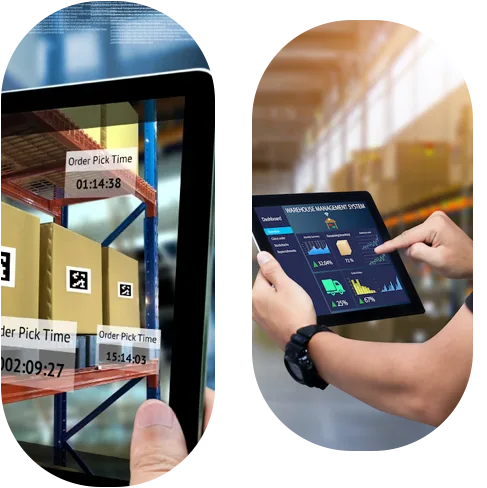
- Warehouse Management Systems (WMS)
- IoT logistics tracking platforms

Automation Tools
- Robotic Process Automation (RPA) platforms
- Warehouse robotics systems
- Digital workflow automation tools
AAPSCM® Digital Supply Chain Transformation Framework
The AC-SCDTP® certification is based on the AAPSCM® Digital Supply Chain Transformation Framework.
| Framework Pillar | Description |
|---|---|
| Digital Supply Chain Strategy | Integration of digital technologies into supply chain planning |
| Supply Chain Data Intelligence | Using analytics for operational decision making |
| Digital Collaboration Networks | Technology-enabled supplier and partner collaboration |
| Automation and Smart Operations | Automation of logistics, procurement, and operations |
| Digital Governance | Secure and responsible management of digital supply chain systems |
ISO and Global Standards Alignment
The AC-SCDTP® certification aligns with global supply chain standards that support security, quality, continuity, information protection, and responsible digital governance.
ISO 28000Supply Chain Security Management
ISO 9001Quality Management
ISO 22301Business Continuity
ISO 27001Information Security
NIST Cybersecurity FrameworkRisk-aware cybersecurity governance for digital environments
Program Duration & Delivery Options
Flexible learning options are available for professionals and organizations.

Instructor-Led Virtual Training
- 4 Days (2 hours daily)
- Cost: $1,200

In-Seat or Hyperflex Training
- AAPSCM® Conference Center – Columbia, South Carolina
- Cost: $1,250

Self-Paced Online Learning
- Recommended duration: 6–8 weeks
- Cost: $399.99
- Complimentary course materials included
Certification Pathway
AAPSCM® provides a structured pathway in supply chain digital transformation.
Executive Competency Framework
| Competency | Description |
|---|---|
| Digital Supply Chain Knowledge | Understanding digital supply chain concepts |
| Supply Chain Data Intelligence | Interpreting supply chain analytics |
| Digital Technology Awareness | Understanding emerging supply chain technologies |
| Process Automation Understanding | Awareness of automation tools |
| Digital Collaboration | Working in digitally connected supply chain networks |
| Technology Governance | Responsible use of digital technologies |
AAPSCM® Digital Supply Chain Maturity Model
| Level | Description |
|---|---|
| Level 1 | Traditional supply chain operations |
| Level 2 | Digitally enabled supply chain systems |
| Level 3 | Data-driven supply chain operations |
| Level 4 | Intelligent supply chain automation |
| Level 5 | Autonomous digital supply chain ecosystems |
AC-SCDTP® Body of Knowledge (BOK)
American Certified Supply Chain Digital Transformation Professional (AC-SCDTP)®
The AC-SCDTP® Body of Knowledge (BOK) defines the foundational knowledge domains required for professionals working in digitally enabled supply chain environments. The BOK integrates principles from Supply Chain 4.0 transformation, digital technologies, data analytics, automation systems, and supply chain cybersecurity frameworks.
The framework ensures that certified professionals understand how digital technologies, analytics platforms, and intelligent automation tools are transforming procurement, logistics, inventory management, and supply chain decision-making processes.
The following knowledge domains form the core of the AC-SCDTP® certification curriculum and examination framework.
| Knowledge Domain | Description |
|---|---|
| Digital Supply Chain Fundamentals | Understanding the principles of Supply Chain 4.0 transformation, including digital ecosystems, connected supply chains, real-time visibility platforms, and the integration of digital technologies across procurement, manufacturing, and logistics operations. |
| Supply Chain Data Analytics | Application of analytics tools and data-driven methodologies used to analyze supply chain performance, demand forecasting, inventory optimization, and operational decision-making. |
| Digital Procurement Systems | Knowledge of modern procurement technologies including digital sourcing platforms, electronic procurement systems, supplier collaboration platforms, and automated purchasing workflows. |
| Digital Logistics Platforms | Understanding modern logistics technologies such as transportation management systems (TMS), warehouse management systems (WMS), real-time shipment tracking platforms, and digital freight management systems. |
| Supply Chain Automation | Awareness of automation technologies used in supply chain operations, including robotic process automation (RPA), warehouse robotics, automated fulfillment systems, and intelligent workflow automation. |
| Cybersecurity and Governance | Understanding supply chain cybersecurity risks, digital governance frameworks, data protection requirements, and risk management strategies required to secure digital supply chain systems. |
| Digital Transformation Strategy | Understanding how organizations implement digital transformation initiatives within supply chains, including technology adoption strategies, change management, and digital supply chain innovation programs. |
Role of the AC-SCDTP® Body of Knowledge
The AC-SCDTP® Body of Knowledge supports:
- Certification curriculum development
- Professional competency assessment
- Certification exam blueprint alignment
- Industry-relevant digital supply chain skill development
- Global supply chain transformation initiatives
The BOK ensures that certified professionals possess the foundational knowledge required to support digital supply chain initiatives, analyze operational data, and contribute to technology-enabled supply chain transformation programs.
Frequently Asked Questions (FAQ)
American Certified Supply Chain Digital Transformation Professional (AC-SCDTP)® — Below are answers to common questions about the AC-SCDTP® certification, including program level, duration, and industries that benefit from digital supply chain transformation knowledge.
1. Is the AC-SCDTP® certification beginner-level?
Yes. The AC-SCDTP® certification is a professional foundational program designed for individuals who want to build a strong understanding of digital supply chain technologies, Supply Chain 4.0 transformation concepts, and data-driven supply chain operations.
The program is ideal for professionals seeking to develop knowledge in areas such as:
- Digital supply chain ecosystems and connected supply networks
- Data analytics and decision-making in supply chain operations
- Digital procurement platforms and automated sourcing systems
- Smart logistics technologies and transportation management systems
- Supply chain automation and robotics applications
- Cybersecurity considerations in digital supply chain environments
The certification provides the foundational digital competencies needed to support technology-enabled supply chain operations and transformation initiatives within modern organizations.
2. How long does the program take to complete?
The AC-SCDTP® certification offers flexible learning options designed to accommodate working professionals and corporate training programs.
Typical completion timelines include:
1. Instructor-Led Virtual Executive Training
Delivered over 4 days (2 hours per day) in a structured virtual learning environment with instructor guidance.
3. Self-Paced Online Learning
Participants typically complete the program within 6–8 weeks, depending on their study pace and schedule. Both delivery formats provide access to course materials, learning modules, knowledge checks, and certification exam preparation resources.
3. Which industries benefit from this certification?
Digital supply chain transformation affects nearly every industry that relies on global sourcing, logistics networks, inventory management systems, and digital procurement platforms.
Manufacturing Supply ChainsDigital production planning, supplier coordination, and smart factory logistics
Retail and E-commerce LogisticsData-driven fulfillment systems, digital inventory management, and omnichannel supply chains
Healthcare Supply ChainsTechnology-enabled medical supply logistics, procurement platforms, and supply chain resilience systems
Energy and Utilities Supply ChainsDigital asset management, supplier monitoring systems, and predictive maintenance logistics
Government Procurement and LogisticsDigital procurement systems, supply chain transparency, and public-sector logistics management
Technology and Electronics Supply ChainsGlobal sourcing networks, advanced logistics platforms, and high-tech supply chain ecosystems
AC-SCDTP® Supply Chain 4.0 Transformation Framework
The AAPSCM® Supply Chain 4.0 Transformation Framework provides a structured approach for integrating digital technologies, intelligent analytics, automation systems, and connected supply chain networks into modern supply chain operations.
The framework supports organizations transitioning from traditional supply chain management models to digitally integrated, intelligent supply chain ecosystems capable of improving operational efficiency, resilience, and real-time decision-making.
The framework is built around five strategic pillars that guide supply chain digital transformation initiatives.
| Framework Pillar | Description |
|---|---|
| Digital Supply Chain Strategy | Development of digital transformation strategies that integrate technology platforms into procurement, logistics, inventory management, and supply chain planning processes. |
| Supply Chain Data Intelligence | Leveraging analytics, big data platforms, and real-time supply chain visibility systems to support data-driven decision-making and operational optimization. |
| Connected Supply Chain Networks | Implementation of digital collaboration platforms that connect suppliers, manufacturers, distributors, and logistics providers through integrated digital ecosystems. |
| Digital Logistics Platforms | Understanding modern logistics technologies such as transportation management systems (TMS), warehouse management systems (WMS), real-time shipment tracking platforms, and digital freight management systems. |
| Automation and Smart Operations | Awareness of automation technologies used in supply chain operations, including robotic process automation (RPA), warehouse robotics, automated fulfillment systems, and intelligent workflow automation. |
| Cybersecurity and Governance | Deployment of automation technologies including robotics, RPA, intelligent warehouse systems, and automated logistics processes to improve operational efficiency. |
| Secure and Responsible Digital Governance | Governance frameworks that ensure cybersecurity, data protection, risk management, and compliance within digitally enabled supply chain systems. |
Digital Supply Chain Capability Model
The AAPSCM® Supply Chain 4.0 Transformation Framework provides a structured approach for integrating digital technologies, intelligent analytics, automation systems, and connected supply chain networks into modern supply chain operations.
Supply Chain 4.0 integrates technologies such as artificial intelligence, IoT logistics systems, blockchain traceability, digital twins, and predictive analytics to improve supply chain visibility and responsiveness.
| Capability Domain | Description |
|---|---|
| Supply Chain Data Intelligence | Ability to collect, manage, and analyze supply chain data to support operational planning, forecasting, and decision-making. |
| Digital Collaboration Ecosystems | Capability to integrate suppliers, logistics providers, and partners into digital collaboration platforms that support real-time supply chain communication. |
| Smart Logistics Infrastructure | Implementation of IoT-enabled logistics tracking systems, smart warehouses, and automated transportation management platforms. |
| Automation and Robotics | Deployment of automation technologies including warehouse robotics, automated order fulfillment systems, and robotic process automation for supply chain workflows. |
| Supply Chain Innovation Leadership | Leadership capability to guide digital transformation initiatives, technology adoption strategies, and continuous improvement programs across supply chain networks. |
AAPSCM® Global Supply Chain Certification Pathway
AAPSCM® supply chain certifications are structured to provide a progressive professional development pathway that supports career advancement in procurement, logistics, and digital supply chain management.
The pathway enables professionals to gradually develop expertise from operational supply chain roles to strategic digital transformation leadership.
Level 1 • Professional
Professional Level Certifications
Designed for professionals responsible for operational supply chain activities and foundational digital supply chain knowledge.
Examples include:
- AC-SCDTP® – American Certified Supply Chain Digital Transformation Professional
- AC-GPLSCP® – American Certified Global Procurement, Logistics & Supply Chain Professional
Focus areas:
- Supply chain operations
- Digital supply chain fundamentals
- Procurement and logistics platforms
Level 2 • Manager
Manager Level Certifications
Designed for managers responsible for strategy development, digital supply chain implementation, and operational leadership.
Examples include:
- AC-SCDTM® – American Certified Supply Chain Digital Transformation Manager
- AC-SPESP® – American Certified Sustainable Procurement & Ethical Sourcing Professional
Focus areas:
- Digital transformation strategy
- Supply chain analytics and automation
- Supplier collaboration systems
- Sustainable supply chain management
Level 3 • Executive
Executive / Strategic Leadership Certifications
Designed for senior executives responsible for enterprise supply chain transformation and global supply chain strategy.
Potential certifications include:
- Chartered Supply Chain Digital Transformation Strategist (C-SCDTS)®
- Chartered Supply Chain Innovation & Resilience Leader (CSCIRL)®
Focus areas:
- Global supply chain strategy
- AI-enabled supply chain networks
- Supply chain resilience and risk management
- Enterprise digital transformation leadership

Strategic Value of the AAPSCM Supply Chain Certification Ecosystem
The AAPSCM Supply Chain Certification Ecosystem enables organizations and professionals to:
- Build structured career pathways in Supply Chain 4.0 transformation
- Develop expertise in digital supply chain technologies and analytics
- Improve supply chain visibility, efficiency, and collaboration
- Implement automation and intelligent logistics systems
- Lead digital supply chain transformation initiatives
These frameworks position AAPSCM certifications as modern, technology-driven professional credentials aligned with global supply chain innovation trends.
Digital Supply Chain Intelligence Model
The AAPSCM® Supply Chain Intelligence Model provides a strategic framework for evaluating how organizations use data, analytics, automation, and digital technologies to support supply chain decision-making and operational excellence.
Modern supply chains are no longer driven solely by operational processes. Instead, they rely on data intelligence, predictive analytics, and digital visibility platforms to enable proactive decision-making and improve supply chain resilience.
The AAPSCM model identifies five layers of supply chain intelligence that organizations must develop to achieve high-performing digital supply chains.
| Intelligence Layer | Description |
|---|---|
| Operational Data Visibility | Ability to collect real-time data across procurement, production, inventory, and logistics activities to improve transparency and operational awareness. |
| Analytical Supply Chain Insights | Application of analytics tools to interpret supply chain data, identify trends, and support operational decision-making such as inventory planning and demand forecasting. |
| Predictive Supply Chain Intelligence | Use of predictive analytics, machine learning models, and forecasting systems to anticipate supply chain disruptions, demand fluctuations, and supplier risks. |
| Autonomous Decision Systems | Deployment of intelligent automation platforms capable of executing operational decisions such as dynamic inventory adjustments, automated procurement triggers, and logistics optimization. |
| Strategic Supply Chain Intelligence | Integration of data intelligence into executive decision-making processes that guide long-term supply chain strategy, innovation investments, and global supply chain resilience initiatives. |

Strategic Value of the AAPSCM® Supply Chain Intelligence Model
This model enables organizations to:
- Improve supply chain decision-making using data-driven insights
- Increase supply chain visibility across global networks
- Strengthen forecasting accuracy and operational planning
- Improve supply chain agility and disruption management
- Support strategic supply chain transformation initiatives
This framework is integrated across AAPSCM® certifications to strengthen analytical and digital supply chain competencies.
Digital Global Procurement & Supply Chain Competency Model
The AAPSCM® Global Procurement & Supply Chain Competency Model defines the core professional capabilities required for success in modern procurement and supply chain management roles.
The model serves as a foundation for designing AAPSCM certification curricula, competency frameworks, and professional development pathways.
The competency model consists of six core professional capability areas.
| Competency Area | Description |
|---|---|
| Strategic Supply Chain Management | Ability to develop and implement supply chain strategies aligned with organizational objectives, global trade environments, and supply chain competitiveness. |
| Procurement and Supplier Management | Capability to manage sourcing strategies, supplier relationships, procurement processes, and supplier performance management initiatives. |
| Supply Chain Data Analytics | Ability to analyze supply chain data using digital tools, dashboards, and predictive analytics systems to support operational and strategic decision-making. |
| Digital Supply Chain Technologies | Understanding of emerging technologies such as AI, IoT logistics systems, blockchain traceability platforms, and supply chain automation technologies. |
| Risk Management and Resilience | Capability to identify, assess, and mitigate supply chain risks including disruptions, supplier failures, cybersecurity threats, and geopolitical risks. |
| Leadership and Transformation Management | Leadership skills required to manage supply chain teams, drive digital transformation initiatives, and guide organizational change within supply chain networks. |

Strategic Importance of the AAPSCM Competency Model
The AAPSCM Competency Model supports professional development by helping individuals:
- Develop expertise in procurement and supply chain operations
- Build capabilities in digital supply chain technologies and analytics
- Improve leadership and strategic planning skills
- Understand global supply chain risk and resilience frameworks
- Lead supply chain transformation initiatives
This model is used to structure AAPSCM® certification learning outcomes, exam frameworks, and professional competency assessments.
Instructor-Led Training: Enroll in a 4-day program with 2 hours of live instruction daily, led by industry experts, for $1,200.
Purchase and PayIn-Seat or Hyperflex Executive Training: AAPSCM® Conference Center – Columbia, South Carolina. Cost: $1,250.
Purchase and Pay